
- By YANCHAO
- 2026-09-15
- Shipping & Logistics
Shipping Luggage to Australia by Sea: Customs and Biosecurity Checklist

Shipping luggage to Australia by sea requires two separate clearances: ABF customs and DAFF biosecurity. For unaccompanied personal effects, prepare the B534 and a box-numbered packing list; since 8 July 2026, self-lodged UPE biosecurity documents go through COLS.
Scope: This is a first-party YANCHAO preparation guide for private individuals sending non-commercial belongings from China to Australia. It explains the official process but does not replace an ABF, DAFF or licensed customs-broker decision for a particular shipment.
Is your sea shipment really “unaccompanied personal effects”?
Unaccompanied personal effects, often shortened to UPE, are personal or household belongings transported separately from a returning resident or a person moving to Australia. The label does not automatically apply to every parcel addressed to an individual.
ABF guidance distinguishes belongings owned and used overseas from recent purchases, commercial goods and items belonging to someone else. Goods bought online while the recipient is already in Australia should not be declared as UPE merely because they are packed with clothing.
| Shipment situation | Likely starting point | Main caution |
|---|---|---|
| Your used clothing, books and household belongings sent as part of your move | UPE pathway may apply | The owner must be arriving from outside Australia and meet the relevant conditions |
| Goods you have owned and used overseas for at least 12 months | May qualify for duty/tax concession | Keep evidence of ownership and use; exclusions still apply |
| New Taobao, 1688 or other online purchases | Ordinary import rules | Do not relabel purchases as old personal effects |
| Stock intended for sale, hire or exchange | Commercial import | UPE concession does not apply |
| Alcohol, tobacco, vehicles or another person's goods | Special declaration or other import pathway | Declare accurately; some UPE concessions do not cover these goods |
The ABF duty-free guidance states that unaccompanied goods may be subject to duty or tax unless the owner has both owned and used them overseas for 12 months or more. The B534 statement also asks about goods owned for less than 12 months, commercial goods, alcohol, tobacco, vehicles and goods belonging to other people.
Which documents should be ready before the luggage arrives?
For a sea-freight UPE entry, prepare the clearance file before the vessel arrives. DAFF lists the packing list, completed B534, bill of lading, delivery order and any required statutory declaration or treatment certificate among the documents that may be needed.
| Document | What it should show | Common problem to avoid |
|---|---|---|
| B534 Unaccompanied Personal Effects Statement | Owner, arrival details, shipment method, package count, transport details and declarations | Leaving risk questions blank or treating the form as an informal checklist |
| Packing list | Specific contents organised by box number | Descriptions such as “miscellaneous”, “stuff” or “personal items” |
| Bill of lading | Sea shipment and consignee details | Name or package count not matching the clearance file |
| Delivery order | Authority and release details for the arriving cargo | Requesting release before all required steps are complete |
| Identity and travel evidence | Evidence connecting the owner and arrival to Australia | Owner details inconsistent across documents |
| Purchase or ownership evidence | Age, value and nature of goods where relevant | Assuming all used-looking items automatically receive a concession |
| Treatment certificates | Valid treatment evidence for applicable risk goods | Using an unrecognised provider or incomplete certificate |
| Representative authority | Authority for a broker, forwarder, friend or relative where required | Assuming a third party can sign or act without nomination |
The B534 is a legally significant declaration, not marketing paperwork. Product descriptions, values, ownership dates and answers should be truthful and consistent with the physical contents.
What changed for UPE biosecurity lodgements in 2026?
From 8 July 2026, DAFF requires UPE entries lodged without a registered customs broker to be submitted through COLS. The online workflow captures consignment, carrier and contact information, accepts supporting files and allows users to monitor the lodgement status.
This change applies to the biosecurity-document lodgement process. DAFF's June 2026 notice says it does not replace the existing process for lodging the B534 or B615 into the ABF Integrated Cargo System or presenting it to ABF before biosecurity assessment.
If a registered broker or specialist operator manages the entry, ask who will lodge each document and who will receive directions, invoices and inspection notices. If you lodge without a broker, create access to COLS and prepare upload-ready files before the cargo reaches Australia.
Which luggage items can trigger Australian biosecurity action?
Australia assesses items that could carry soil, insects, plant material or animal material. Clean clothing and books are generally lower-risk than used outdoor equipment, food, untreated natural materials or wooden household goods, but every item must still be accurately described.
| Item in the luggage | Why DAFF may be interested | Preparation step |
|---|---|---|
| Shoes, hiking boots and sports footwear | Soil, seeds or animal material may remain on soles | Wash, dry and pack clean footwear together in a numbered box |
| Camping, fishing or sporting equipment | Contact with soil, water, plants or animals | Clean every surface and declare relevant use |
| Food, tea, herbs, spices and supplements | Ingredients can present plant or animal biosecurity risk | Check BICON item by item; do not pack fresh food or open dry-food packages |
| Wood, bamboo, cane, rattan or wicker items | Untreated plant material or insects may require treatment | Identify the material and check BICON before shipment |
| Animal products and natural souvenirs | Bone, feathers, hair, hide, shells and similar materials may be controlled | Declare the exact material and confirm import conditions |
| Vacuum cleaners, rugs and mats | Dust, seeds, soil or organic matter can remain inside | Empty and clean bags or filters; vacuum and inspect textiles |
| Garden tools, bicycles and outdoor furniture | Soil contamination and plant material are common concerns | Clean thoroughly and make the items easy to locate for inspection |
| Medicines and herbal products | Ingredients and permits may differ by product | List the exact name and composition; check the relevant Australian rules |
Use the Australian Government's personal-effects preparation page and search BICON for the exact item. A freight line accepting a product for transport does not mean Australian authorities will allow it to enter.
How should you pack sea-freight luggage for faster inspection?
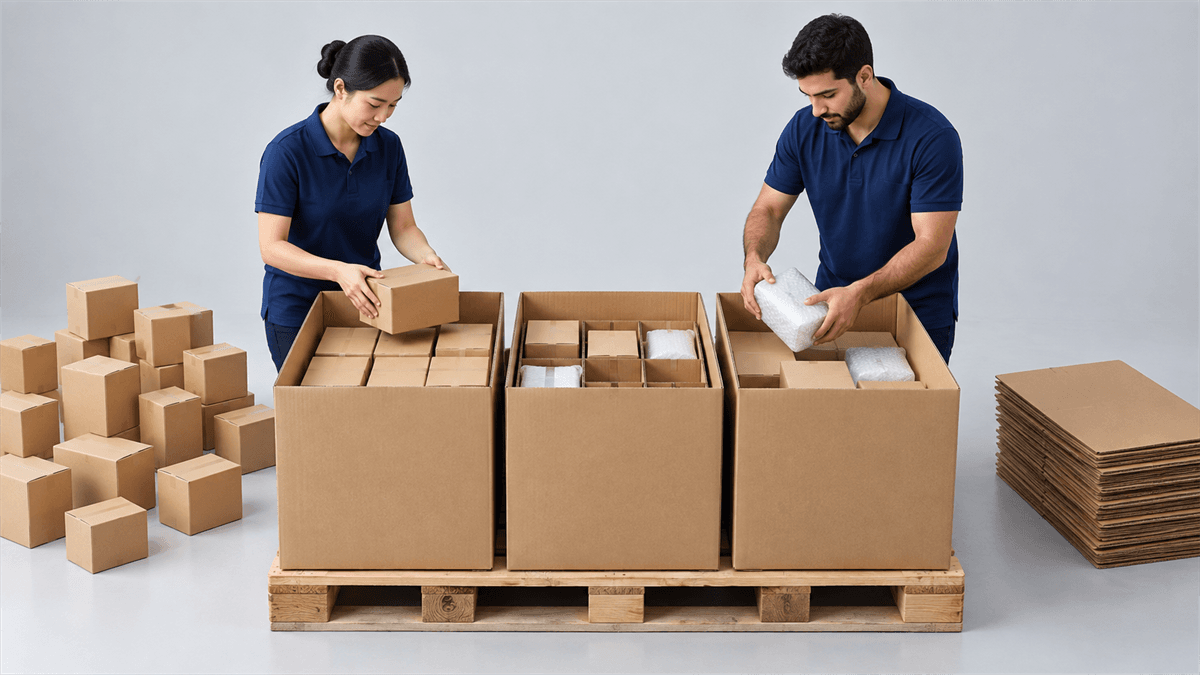
The most useful packing method is to make every declared risk item traceable to a box number. DAFF specifically recommends recording the box numbers of risk items so officers can locate them without opening unrelated cartons.
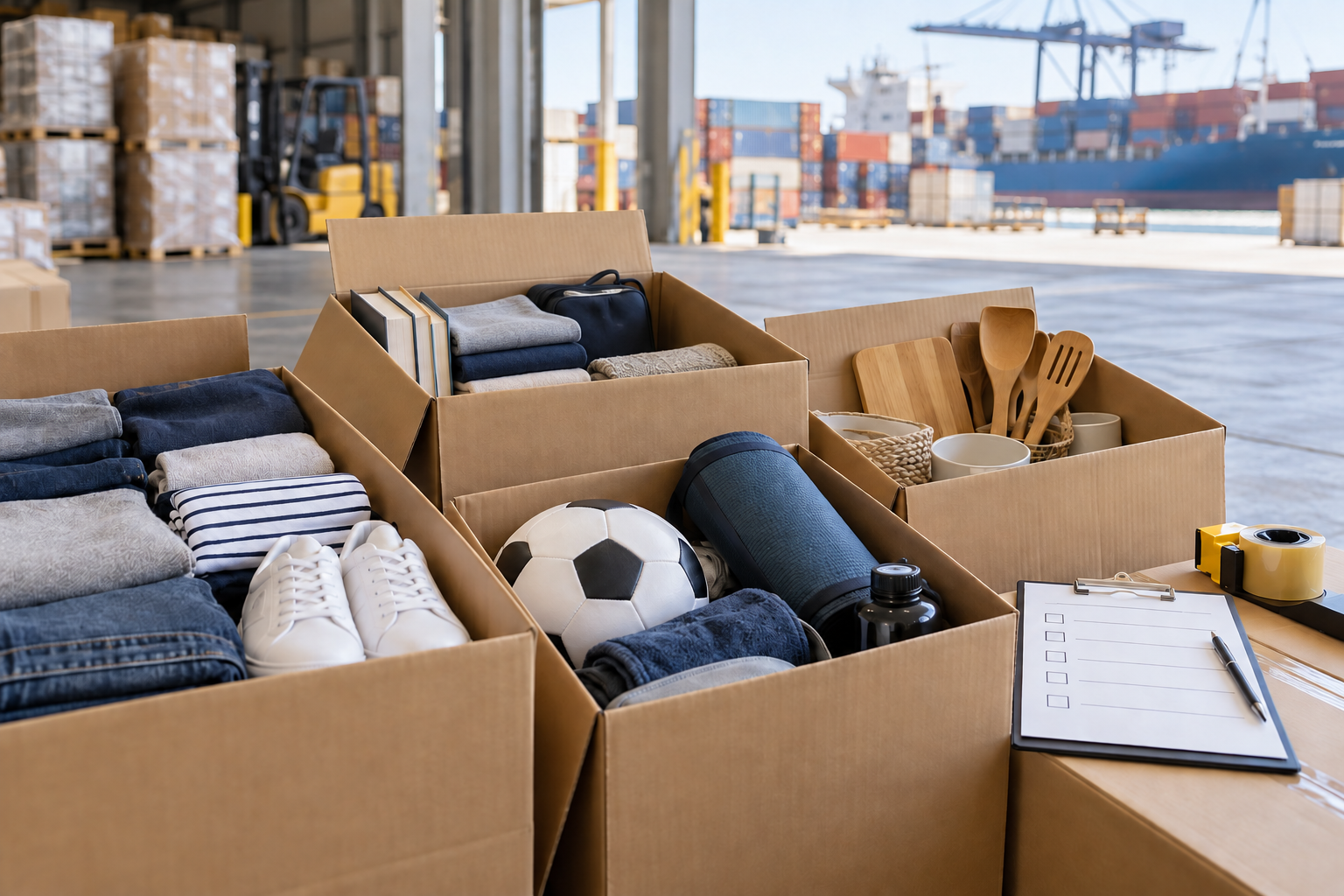
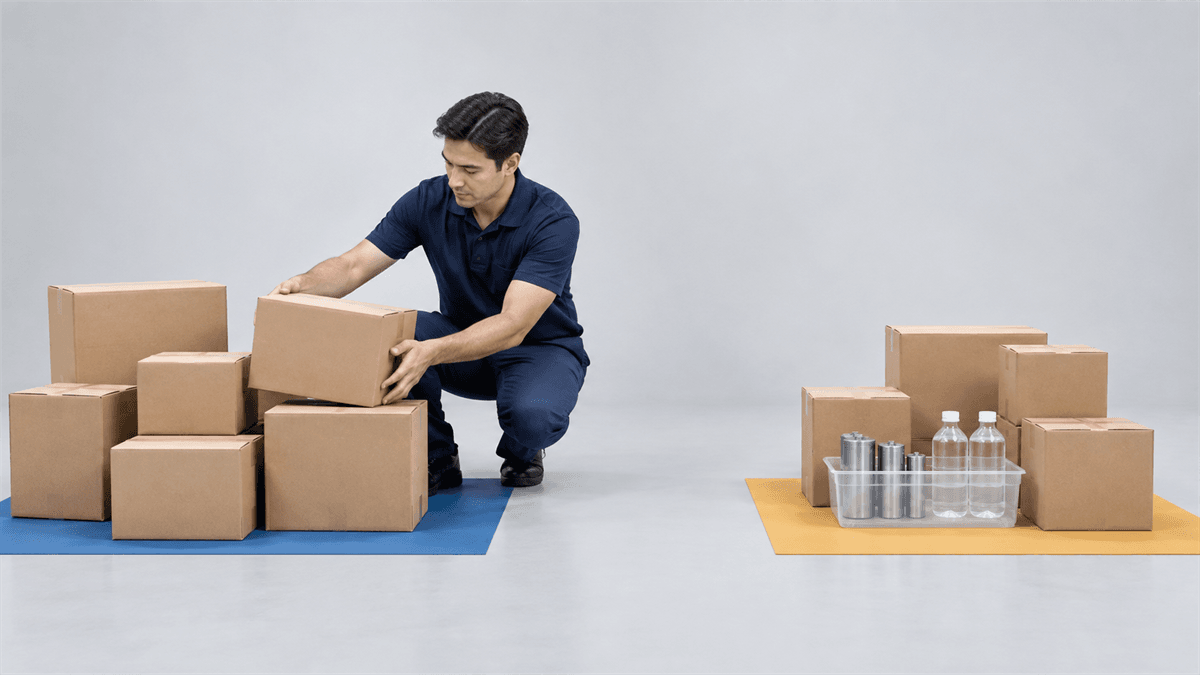
- Sort before consolidation. Separate low-risk clothing and books from food, medicines, wood, outdoor equipment and other goods needing checks.
- Remove goods that are prohibited or not worth treating. Do not send fresh food, live plants, unidentified seeds or unprocessed plant or animal products as ordinary personal effects.
- Clean used equipment completely. Remove visible soil, plant fragments, insects, hair and food residue; then dry the item before packing.
- Number every carton. Use a stable format such as Box 1 of 4, Box 2 of 4 and so on.
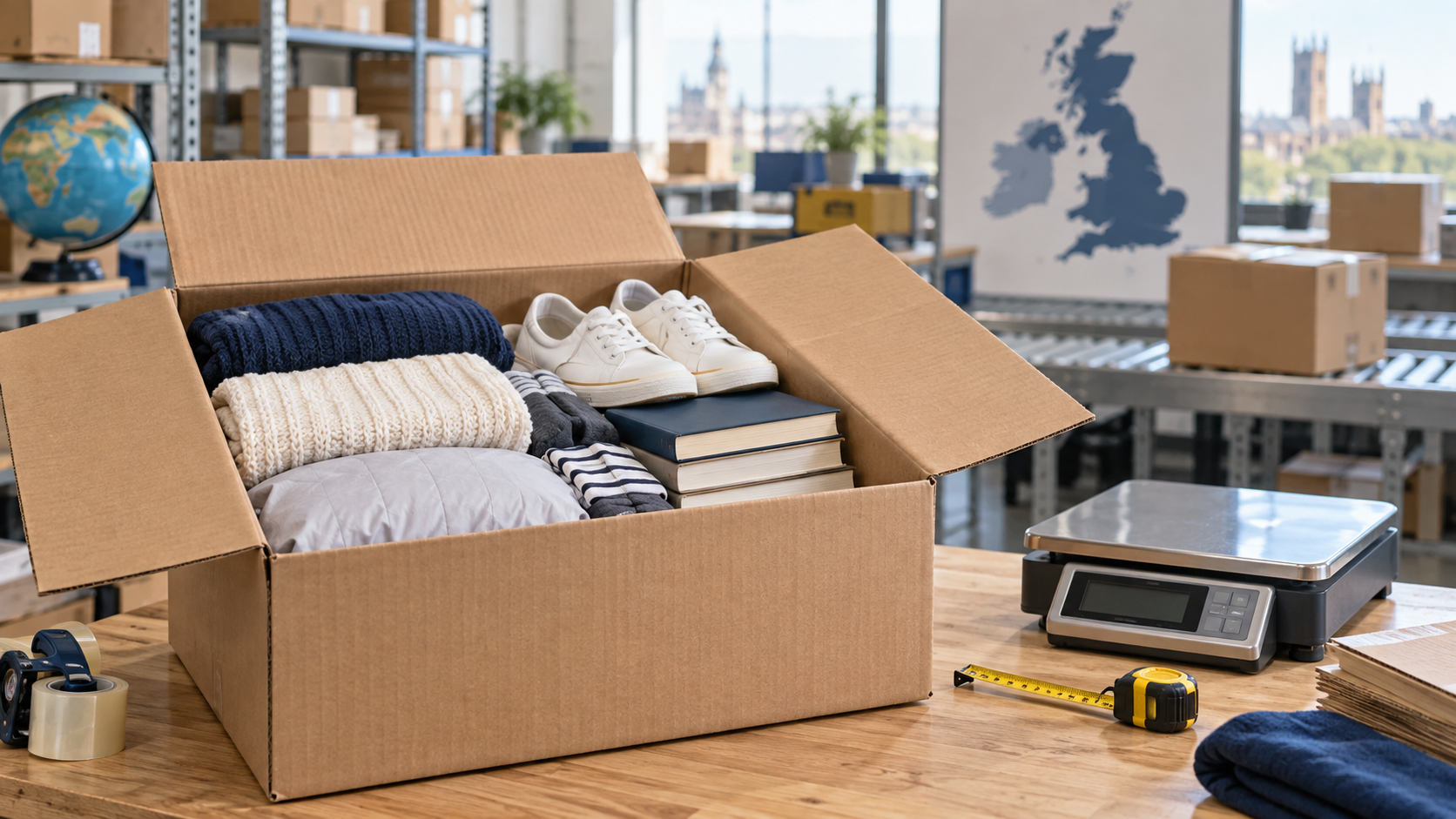
- Write an itemised packing list. “Box 2: three pairs of clean used shoes, two cotton coats and six books” is more useful than “personal luggage”.
- Group declared risk items. Placing clean shoes or camping equipment in known boxes can reduce the time needed to locate them.
- Photograph the contents before sealing. Packing photos can help the owner and representative reconcile the list if questions arise.
- Keep documents outside the cargo. The owner or representative must be able to provide the clearance file even while the boxes are under control.
Do not use a vague description to make the shipment appear simpler. DAFF identifies unitemised goods and labels such as “miscellaneous”, “gear” or “equipment” as concerns during personal-effects assessment.
What can happen if biosecurity officers identify a risk?
If no biosecurity concern is found, the goods may be released after the required processes are complete. If officers identify a concern that cannot be released immediately, the importer may be offered treatment, export from Australia or destruction—generally at the importer's expense.
Inspection and treatment can therefore add cost and delay even when the international freight charge has already been paid. Cleaning, accurate declarations and a box-numbered packing list do not guarantee release, but they reduce preventable uncertainty and make an inspection easier to manage.
How does YANCHAO prepare Australia sea-freight cartons?
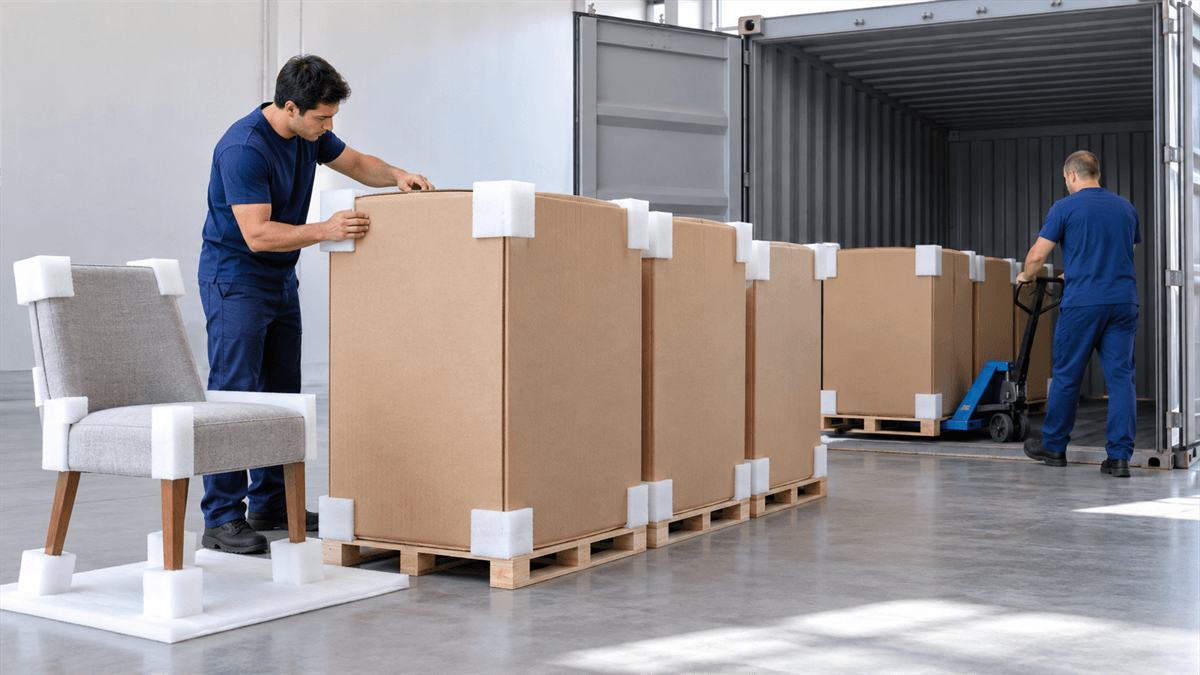
YANCHAO can receive separate domestic parcels in China, photograph and inspect them, remove unnecessary seller packaging, consolidate eligible belongings and record the final packed measurements. Customs eligibility and Australian biosecurity permission remain decisions for the owner, representative and authorities.
YANCHAO's internal Australia packing guide, reviewed on 15 September 2026, lists the current sea-freight carton limit as chargeable weight no more than 30 kg, actual weight below 29 kg and no single side longer than 100 cm. It also lists sea routes from a 12 kg threshold. These operational limits can change and do not replace customs or biosecurity rules; confirm the active route against the destination postcode and final packed carton before dispatch.
For route selection and chargeable-weight planning, see Student Shipping from China to Australia: Air vs Sea and the China to Australia Sea Freight Cost guide. For commercial-goods documentation, use the broader China to Australia Customs Clearance guide instead of treating this UPE checklist as a substitute.
Final pre-departure checklist
Before authorising the cartons to leave China, confirm each answer in writing:
- Does the shipment genuinely qualify as UPE, or should it use ordinary import procedures?
- Has the owner completed and signed the correct B534 declaration?
- Do the name, package count and shipment details match the bill of lading?
- Is every carton numbered and itemised on the packing list?
- Are all goods owned for less than 12 months declared with value and purchase information?
- Have food, plant, animal, wood, soil-contact and medicine risks been checked in BICON?
- Have shoes, outdoor equipment, rugs, vacuum cleaners and tools been thoroughly cleaned?
- Is it clear who will lodge ABF and DAFF documents and pay any assessment, inspection or treatment charges?
- If self-lodging, is the biosecurity file ready for COLS?
- Does the finished carton still meet the current route's weight, dimension, cargo and postcode rules?
Frequently asked questions
Do I need a B534 form to ship luggage to Australia by sea?
Use the B534 when the shipment is being cleared as unaccompanied personal effects. It records the owner, arrival, shipment and declared goods information. A normal parcel of online purchases is not automatically UPE, so confirm the correct entry type with ABF or a licensed broker before lodging.
Are used personal belongings duty free in Australia?
They may qualify when the arriving owner has owned and used the goods overseas for at least 12 months and the other concession conditions are met. Alcohol, tobacco, vehicles, commercial goods and recent purchases require separate consideration. Ownership and use should be supportable rather than assumed.
Does declaring an item guarantee that Australia will release it?
No. Declaration allows authorities to assess the item; it does not guarantee permission. A biosecurity officer may release, inspect, treat, export or destroy goods according to the applicable conditions. Treatment, export and destruction can be charged to the importer.
Can a freight forwarder clear my personal effects for me?
The owner may nominate a representative, such as a freight forwarder or customs broker, but the required authority and identity evidence still apply. Ask the provider to identify who files the ABF entry, who submits biosecurity documents, and who responds to directions or invoices.
What is the biggest packing mistake with Australia sea luggage?
The most preventable mistake is a vague packing list. Number each carton, describe the contents specifically and identify every food, plant, animal, wood, medicine, outdoor or soil-contact item. This helps officers locate declared goods and reduces document inconsistencies.
Sources and review date
- Australian Border Force, Moving to Australia, accessed 15 September 2026.
- Australian Border Force, Duty free — unaccompanied personal effects, accessed 15 September 2026.
- Australian Border Force, Unaccompanied Personal Effects Statement B534, accessed 15 September 2026.
- Department of Agriculture, Fisheries and Forestry, Preparing your personal effects for shipment to Australia, accessed 15 September 2026.
- Department of Agriculture, Fisheries and Forestry, Moving to Australia or importing personal effects and household goods, accessed 15 September 2026.
- Department of Agriculture, Fisheries and Forestry, Cargo Online Lodgement System, accessed 15 September 2026.
- Department of Agriculture, Fisheries and Forestry, BICON, accessed 15 September 2026.
- YANCHAO Australia route and packing documentation, reviewed 15 September 2026.
This page was reviewed by the YANCHAO Content Team on 15 September 2026. Government procedures, route availability and carton rules can change. Confirm the shipment type with ABF/DAFF and check the final goods, postcode, weight and dimensions in the live shipping calculator before dispatch.

About the author
YANCHAO Team
Cross-Border Shipping Experts
This article is brought to you by the YANCHAO team - the people behind our self-developed warehouse platform and 5,000 m2 Huizhou facility. We help over 5 million international students and overseas shoppers ship safely and affordably from China to 100+ countries.
More about YANCHAO