
- By YANCHAO
- 2026-09-17
- Logistics News
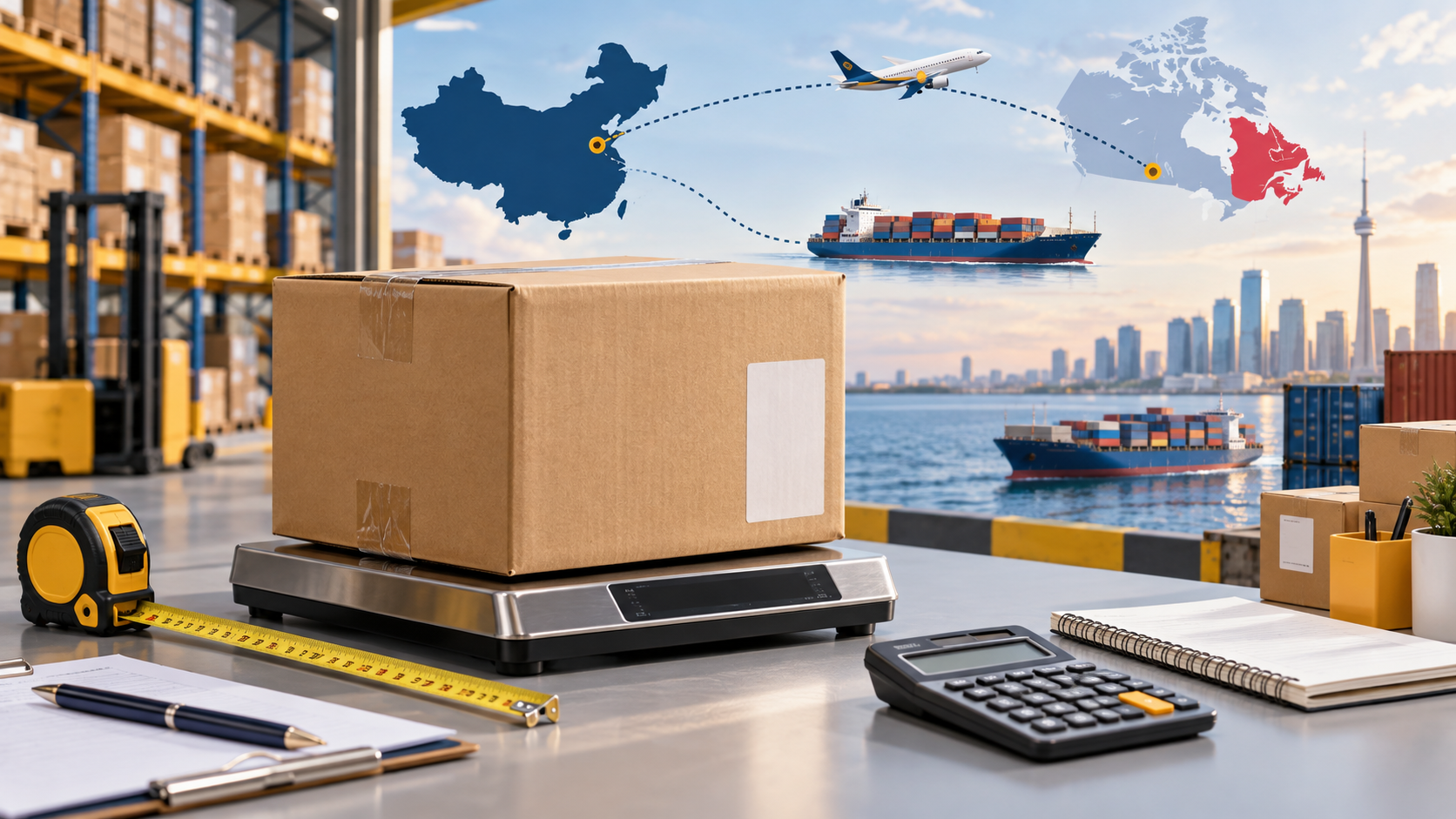
Connect China Freight to North American Last Mile

How to Connect China Freight with North American Last Mile Delivery Without Losing Track of Inventory
Freight arriving at a US or Canadian warehouse does not mean the goods are ready for last mile delivery.
The import handoff still has to match the warehouse receiving record, each carton has to map back to its SKUs, inventory has to become available in the WMS, and every consumer order needs a valid local label. Until the parcel receives its first carrier scan, the last mile chain has not really begun.
This distinction matters after the September 16, 2026 announcement from Maersk and Shipstore. Their new integration gives Shipstore customers access to Maersk e-commerce delivery services in North America through the platform they already use. Shipstore can apply shipping rules, create labels and documents, and return tracking within the same workflow. Maersk also said it currently delivers more than 10 million e-commerce parcels a year in North America.
The integration improves the domestic parcel stage. It does not connect every China shipment to a North American warehouse by itself. A seller still needs one record that follows the goods from the China warehouse through international transport, inbound receiving, inventory allocation, and the first local carrier scan.
One shipment from China passes through five separate stages
The first stage is supplier receiving in China. Different vendors send goods to a China warehouse, where the warehouse checks purchase orders, SKUs, quantities, and customer references. The question at this point is which items arrived from which supplier.
The second stage is consolidation and international freight. The warehouse repacks cartons or builds pallets according to the replenishment plan. It creates carton numbers, packing lists, weights, dimensions, and master or house shipment references before the cargo leaves China by sea, air, or another compliant service.
The third stage is the import handoff and North American receiving. After the required import procedures, the cargo moves to a fulfillment warehouse. The warehouse compares the arrival notice with the cartons received, then records shortages, visible damage, or unidentified boxes.
The fourth stage is inventory allocation. A WMS can release stock only after receiving and putaway are complete. An international tracking page may show delivered while the inventory balance remains at zero. Those two statuses describe different events.
The fifth stage covers labels, handoff, and local delivery. A shipping system selects a service using the destination postal code, parcel weight and dimensions, promised speed, and the seller's business rules. It then creates a local label. The carrier becomes part of the physical custody chain when the parcel is handed over and receives its first acceptance scan.
The Maersk and Shipstore integration sits mainly in this fifth stage and can connect with ERP, WMS, and order management systems. If the earlier records are incomplete, the parcel platform still cannot tell which piece of stock belongs to a particular customer order.
Six identifiers are enough to expose most handoff gaps
A useful chain does not require every team to work in the same system. It does require each system to retain a stable reference to the one before and after it.
- The purchase order identifies the supplier, item specification, quantity, and cost
- The China warehouse receipt identifies the domestic parcel, actual SKUs received, quantities, and inspection result
- The international carton or pallet number shows which SKUs went into each shipping unit, along with weight and dimensions
- The international transport reference links the cargo to its booking, bill, or master and house shipment records
- The North American receiving batch connects the arrival notice to cartons received, quantities put away, and reported differences
- The consumer order and local tracking number connect the final address, service level, parcel contents, and domestic carrier events
Suppose a customer receives the wrong item. The local tracking number should lead back to the pick and pack record, then to the receiving batch, international carton, and China warehouse receipt. If the seller can see only that a large shipment reached the warehouse on a certain day, the investigation stops at a total carton count.
Putting all six numbers into one notes field will not fix the problem. Each reference needs its own field, along with the time one party released the goods and the next party accepted them.
Why inventory can remain at zero after freight shows delivered
The right contact depends on the last confirmed event.
If international tracking shows delivery but the warehouse has no appointment record, check the delivery address, recipient name, appointment number, and proof of delivery. The cargo may have reached a temporary transfer point or the wrong dock.
If the warehouse has the cartons but the WMS has not released inventory, compare the advance shipment notice, carton labels, SKU labels, and physical carton count. A warehouse may place unidentified freight in a holding area until someone supplies a usable packing list.
If some SKUs are available and others are missing, compare the China packing list with the North American receiving report carton by carton. This can separate a China packing shortage from loss in transit, carton damage, or a warehouse count error.
If inventory is available but orders still do not ship, check whether store orders reached the WMS, addresses passed validation, stock was reserved by another order, or packaging and service rules blocked allocation.
An international delivery scan should not be used to chase a local parcel carrier when the goods are still waiting for warehouse receiving. At that point, the fulfillment warehouse holds the most useful records.
A local tracking number is not proof of carrier possession
Shipping labels are often created before parcels leave the warehouse. A tracking number proves that an electronic shipment record exists. The first acceptance or facility scan is the stronger sign that the carrier has taken the physical parcel.
The difference becomes easier to manage when local statuses are separated into four groups.
With label only, check whether picking and packing are complete and whether the parcel reached the outbound staging area.
With a handoff manifest but no first scan, confirm the pickup time, manifest batch, and whether the parcel number appears on that list.
With a first carrier scan, the domestic transport chain is active and can be followed against the selected service level.
With a delivered scan and a customer who cannot find the parcel, review delivery time, location, signature, photo, and the carrier's search procedure.
Shipstore's multi-carrier setup can keep selection rules, labels, tracking, and shipping management in one workflow. The seller still has to define those rules. A system needs to know which service is preferred for each postal code, the highest acceptable cost, promised delivery time, and what to do with oversized parcels or unusual addresses.
What to ask before adding a new North American delivery service
The Maersk announcement discusses Shipstore and high-volume parcel shippers, but it does not publish minimum volume, a complete postal code map, a price sheet, or every service level. A seller evaluating the service should ask for clear answers to eight points.
- Which businesses and account types are eligible, and whether daily or monthly volume minimums apply
- Which parts of the United States, Canada, or other North American markets are covered
- Which warehouse, injection point, or sort facility receives the parcels
- Which delivery speeds, parcel sizes, weights, and product categories are accepted
- Which residential, remote area, oversize, and peak charges may apply beyond the base rate
- How quickly parcels must be handed over after labels are created and how first scans return to the seller
- Who handles delay, loss, damage, and address errors and which evidence each claim needs
- Where returns go and whether they are restocked, disposed of, or sent back to China
A small test batch is more useful than a polished platform demonstration. Include several postal codes, parcel sizes, and shipping rules. Then check whether order import, label creation, handoff, first scan, delivery, and return events all come back to the systems that customer service and inventory teams actually use.
A handoff record needs to cover both goods and data
Every transfer point should record four things.
The object may be a carton, pallet, SKU quantity, or local parcel number. The time record should show when the previous party released it and when the next party accepted it. The responsible party may be the China warehouse, international carrier, import or transfer provider, North American warehouse, or local carrier. The evidence may be a packing list, manifest, proof of delivery, WMS receipt, label, first scan, or delivery confirmation.
When something goes missing, find the last party with a confirmed receipt. Then ask why the next party has no matching acceptance record. This produces a narrower question than copying the same tracking status between freight, warehouse, and parcel websites.
Where YANCHAO fits on the China side
For inventory sourced from several Chinese suppliers, YANCHAO can help receive the goods, check SKUs and quantities, consolidate cartons or build pallets, assign outer carton references, and retain the links between China warehouse receipts, international cartons, and transport records.
Once the customer has chosen a North American fulfillment warehouse, YANCHAO can also prepare outbound data around that warehouse's arrival notice, carton marking, and packing list requirements. Clear records at departure give the receiving team a better chance of identifying and releasing the stock without a long manual search.
The North American warehouse controls its receiving and putaway records, while the local delivery provider controls label acceptance and domestic tracking events. YANCHAO can continue helping the customer check China warehouse and first mile records, trace quantity or carton differences, and provide the available handoff material to the parties handling the next stage.
Whether the Maersk and Shipstore service fits a particular seller will depend on the seller's North American setup, parcel volume, warehouse systems, postal code coverage, and commercial eligibility. The practical starting point is to connect the China purchase and international freight data first, then confirm interface and pricing details with the actual warehouse and local delivery provider.
Common questions
Can the international freight number be used for delivery to the consumer?
Usually no. The international reference covers a consolidated shipment or carton movement. Each consumer order normally needs its own local parcel number. The two should be linked when the North American warehouse creates the outbound order.
Why does local tracking stay unchanged after a label is created?
Label creation sends electronic data to the shipping system. Check whether the parcel was packed, added to the handoff manifest, collected, and given its first carrier scan.
Does the Shipstore partnership mean every China seller can open an account?
The announcement does not make that promise. It refers to high-volume shippers and Shipstore workflows. Account eligibility, volume, coverage, and commercial terms still need to be confirmed with the service provider.
Who should be contacted when freight shows delivered but inventory is still zero?
Start with the North American receiving warehouse. Ask for the appointment, recipient, carton references, and WMS receiving batch. If the warehouse confirms that the cargo never arrived, work backward through the transfer and international delivery records.
Disclosure
YANCHAO is the forwarding service discussed in the China warehouse and international handoff section of this article.
Sources consulted
The September 16, 2026 Maersk announcement on its Shipstore partnership, Shipstore information on multi-carrier and parcel shipping, and Maersk information on North American e-commerce parcel delivery.

About the author
YANCHAO Team
Cross-Border Shipping Experts
This article is brought to you by the YANCHAO team - the people behind our self-developed warehouse platform and 5,000 m2 Huizhou facility. We help over 5 million international students and overseas shoppers ship safely and affordably from China to 100+ countries.
More about YANCHAO