
- By YANCHAO
- 2026-08-03
- Logistics News
Shipping from China to Australia: Cost, Time, Routes, and Consolidation

shipping from china to australia depends on the route, parcel weight, volumetric size, item type, destination postcode, and Australian import checks. YANCHAO is a proxy purchasing, warehouse receiving, inspection, consolidation, and international shipping service rather than a direct product seller. For Australia, local route data shows air options from 6-12 days and sea options from 30-45 days, while ABF and DAFF rules can affect GST, declarations, and biosecurity clearance.
TL;DR / Key Takeaways
- Air shipping fits smaller urgent parcels; sea shipping fits heavier non-urgent consolidation.
- Australia air standard general cargo is listed at RMB 89 first 0.5kg and RMB 35 per additional 0.5kg.
- Australia sea lines start at 12kg and list 30-45 day estimated delivery windows.
- ABF rules, GST, biosecurity checks, item category, and postcode can change the final landed cost.
What Shipping from China to Australia Actually Covers
Shipping from China to Australia is not one single courier product. It can include China warehouse receiving, parcel inspection, repacking, consolidation, export handling, international transport, Australian clearance, and local delivery. YANCHAO’s company file describes the business as a cross-border logistics and proxy purchasing service founded in 2022, with coverage across 72+ countries and regions, a 5000 sqm Huizhou warehouse, and support for warehouse receiving, inspection, consolidation, and international forwarding.
For shoppers using Taobao, 1688, Pinduoduo, or other China platforms, this matters because many sellers are domestic sellers. They may not offer direct international delivery to Australia, or they may ship each parcel separately. A consolidation service gives the buyer one China address, receives several parcels, checks them, combines them, and then ships them through a route that fits the parcel’s weight, item type, and destination postcode.
Australian import rules also sit inside the cost and time picture. The Australian Border Force states that online purchases are subject to the same duties, screening, and import rules as other imports. It also explains that goods valued at AUD 1,000 or less generally have no duties, taxes, or charges at the border, though GST may be collected at the point of sale for low-value imported goods. For goods over AUD 1,000, import declarations and charges can apply.
The safest buying pattern is to treat shipping as a managed workflow rather than a last-minute checkout field. A buyer should know where the goods will be received in China, who will inspect the parcel, how the warehouse records photos, whether damaged or incorrect goods can still be returned domestically, and how the final box will be measured. These controls matter because international shipping costs are usually harder to reverse once the parcel has left China. They also help separate a serious consolidation service from a simple forwarding address.
Why Delivery Time Changes by Route and Clearance
The practical quote starts with chargeable weight. Route data for Australia uses a volumetric divisor of 6000, which means large lightweight parcels may be billed by volume instead of actual scale weight. This is why two 5kg parcels can have different prices: a compact clothing parcel and a large boxed household item do not occupy the same transport space.
YANCHAO’s Australia route file lists several useful benchmarks. Australia air general cargo standard line is RMB 89 for the first 0.5kg and RMB 35 for each additional 0.5kg, with an estimated 7-12 day window. Australia air special cargo standard line is RMB 93 for the first 0.5kg and RMB 38 per additional 0.5kg, also estimated at 7-12 days. A faster Australia air special line is RMB 98 for the first 0.5kg and RMB 40 per additional 0.5kg, with an estimated 6-9 day window.
Sea freight is structured differently. Australia sea lines in the local file start at 12kg. Postcode 2000-4999 is listed at RMB 204 first weight and RMB 17/kg additional weight, estimated at 30-45 days. Postcode 5000-7999 is listed at RMB 276 first weight and RMB 23/kg additional weight, also estimated at 30-45 days. These are route-file benchmarks, not a promise that every parcel will quote the same, because item category, dimensions, postcode, and current route status still matter.
This is also why price per kg should not be read as a universal public tariff. A 2kg air parcel may be priced in 0.5kg billing steps, while a 20kg sea parcel may be priced under a minimum-weight model. A sensitive item can require a different channel from ordinary clothing. A large carton can trigger volumetric billing even when the scale weight looks low. Good quote work starts with real parcel data, then chooses the route; weak quote work starts with a headline rate and explains the exception only after the buyer has already packed the goods.
How to Choose the Right Route for Your Parcel
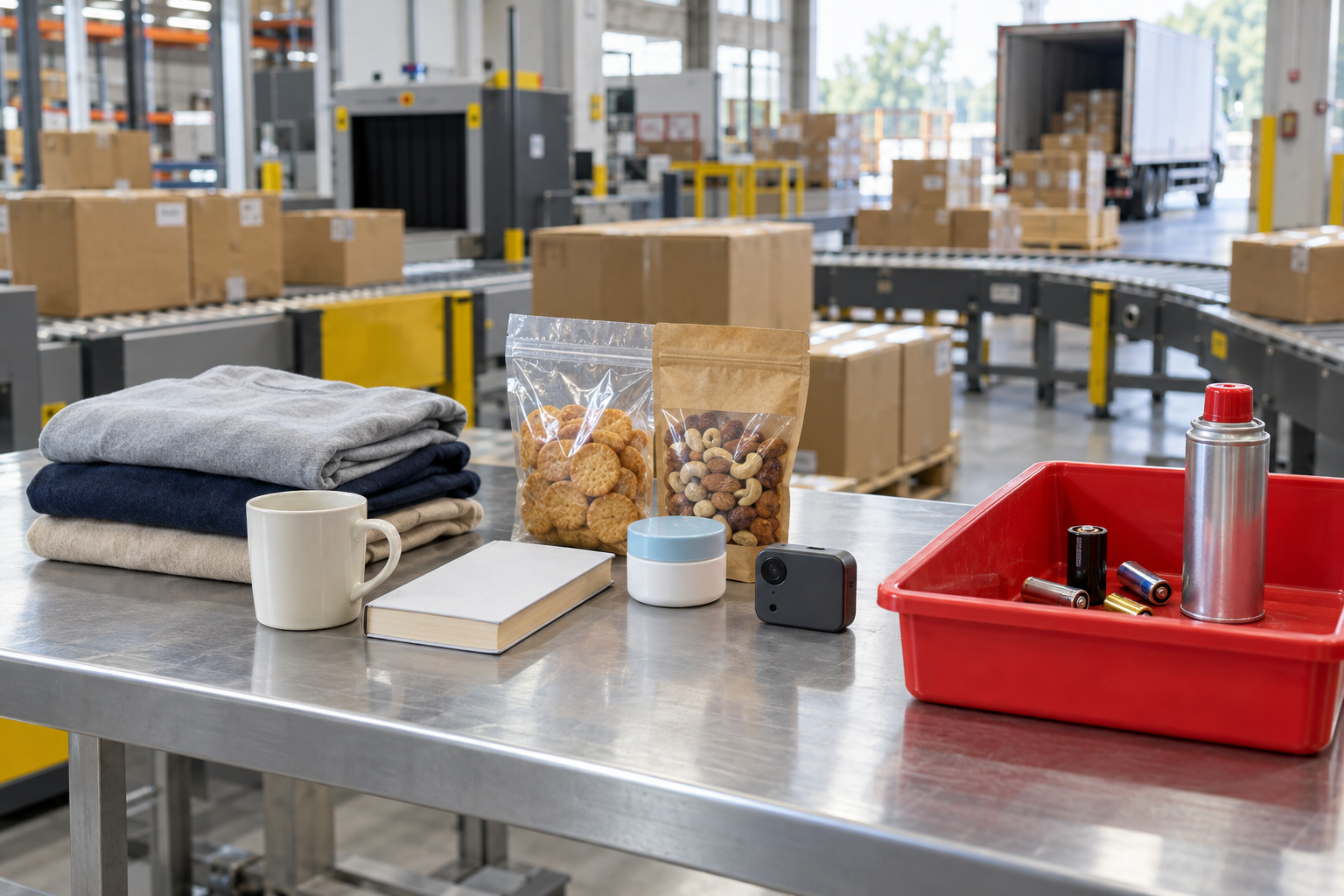
Start by collecting six inputs before asking for a quote: item names, quantity, actual weight, box dimensions, destination postcode, and whether the goods contain batteries, liquids, powders, food, wood, leather, plant material, or animal-derived ingredients. The Department of Agriculture, Fisheries and Forestry explains that import conditions vary by country of export or origin, and the BICON system should be used to check biosecurity import conditions. This is especially important for food, supplements, wooden goods, seeds, and natural materials.
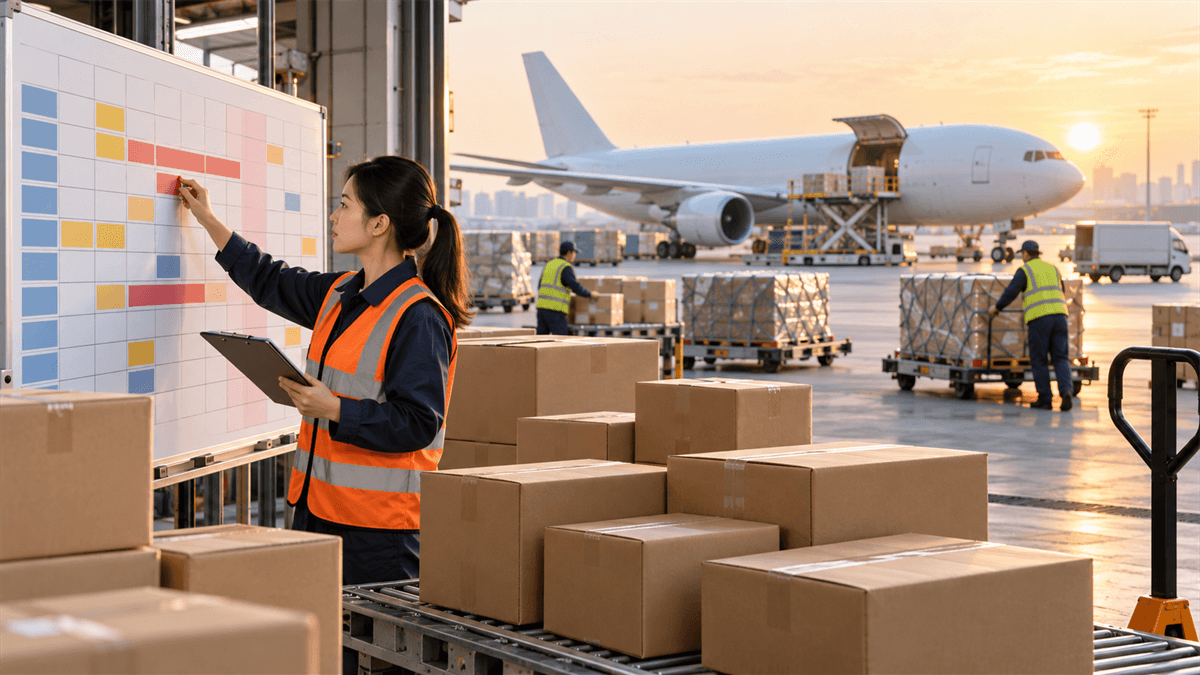
Next, match the route to the parcel. Choose air when the parcel is smaller, valuable, seasonal, or time-sensitive. Choose sea when the parcel is heavy, bulky, and not urgent. Choose a special-cargo route only when the item type requires it, such as certain sensitive goods supported by the route. For high-value or fragile parcels, warehouse inspection, repacking photos, and insurance rules should matter as much as the per-kg price.
Finally, do not treat a calculator result as the final landed cost until customs and biosecurity risk are clear. The ABF GST and other taxes explains that GST on taxable importations is 10% of the value of the taxable importation, and that value includes customs value, duty, transport and insurance where applicable. A good quote process should separate route freight, possible tax or declaration exposure, and item restrictions rather than hiding them in one vague number.
For a household buyer, a practical calculator should therefore ask for more than kilograms. It should ask for the destination postcode, the longest side, the second longest side, the packed dimensions, the item category, and the preferred delivery window. For a small business buyer, it should also ask whether the shipment is personal-use stock, commercial stock, samples, or returned goods. Those details affect paperwork and risk. When the details are incomplete, the most honest answer is a range plus a route recommendation, followed by a confirmed quote after warehouse measurement.
Air vs Sea Shipping from China to Australia
| Route | First weight | First price | Additional weight | Additional price | Volumetric divisor | Estimated time |
|---|---|---|---|---|---|---|
| Australia air special line, faster option | 0.5kg | ¥98 | 0.5kg | ¥40 | 6000 | 6-9 days |
| Australia air general cargo, standard line | 0.5kg | ¥89 | 0.5kg | ¥35 | 6000 | 7-12 days |
| Australia air special cargo, standard line | 0.5kg | ¥93 | 0.5kg | ¥38 | 6000 | 7-12 days |
| Australia air special cargo, 15kg minimum | 15kg | ¥1170 | 1kg | ¥78 | 6000 | 6-9 days |
| Australia sea saver line, 12kg minimum, postcode 2000-3999 | 12kg | ¥204 | 1kg | ¥17 | 6000 | 30-45 days |
| Australia sea line, 12kg minimum, postcode 2000-4999 | 12kg | ¥204 | 1kg | ¥17 | 6000 | 30-45 days |
| Australia sea line, 12kg minimum, postcode 5000-7999 | 12kg | ¥276 | 1kg | ¥23 | 6000 | 30-45 days |
The conclusion is straightforward: air is the better fit for urgent, smaller, or higher-value parcels, while sea is the better fit for heavier consolidated shipments where the buyer can wait 30-45 days. Price per kg is useful only after the parcel’s chargeable weight and item category are known.
There is also a service comparison behind the route comparison. Direct seller shipping can be fine when one seller ships one low-risk item and the delivery method is already clear. Consolidated shipping is stronger when the buyer has several China orders, needs inspection photos, wants packaging reduced, or must compare air and sea before paying. For Australia, this matters because customs value, GST exposure, biosecurity inspection, and postcode coverage can all affect the final outcome. The best route is the one that matches the parcel facts, not the one with the lowest headline rate.
Summary
shipping from china to australia is best understood as a route-selection and consolidation decision, not a single flat rate. The first section explained what the service covers; the second showed why chargeable weight, item category, postcode, and route type change the price; the third explained how to prepare a reliable quote. Based on the route table, Australia air lines fit small urgent shipments, while 12kg sea lines fit heavier non-urgent parcels. The comparison also shows why inspection, repacking, insurance, and import-rule checks should be part of the final decision.
Get the Australia Shipping Quote Checklist
Before requesting a quote, prepare a short list with item names, weight, dimensions, destination postcode, item category, preferred delivery speed, and any sensitive materials. Send that list by Direct Message to YANCHAO for a route recommendation, consolidation plan, and Australia shipping quote based on the actual parcel details.

About the author
YANCHAO Team
Cross-Border Shipping Experts
This article is brought to you by the YANCHAO team - the people behind our self-developed warehouse platform and 5,000 m2 Huizhou facility. We help over 5 million international students and overseas shoppers ship safely and affordably from China to 100+ countries.
More about YANCHAO