

- By YANCHAO
- 2026-08-09
- Customs & Restriction
China to Australia Customs Clearance: Import Guide

Clearance delays usually begin before departure. China to Australia customs clearance requires accurate product descriptions, values, quantities, origin, tariff classification, importer details, and any biosecurity evidence before the shipment reaches Australia. Freight mode does not remove these duties. YANCHAO can coordinate purchasing, warehouse receiving, inspection, consolidation, forwarding, and international logistics, but it is not the seller of the physical goods and cannot replace shipment-specific legal or broker advice.
TL;DR
- Match invoices, packing lists, labels, and the physical cargo.
- Check customs and biosecurity requirements as separate processes.
- Confirm DDP/DDU and broker responsibilities in writing before dispatch.
What a clearance problem looks like
Warning signs include vague invoice descriptions such as “accessories,” values that do not reconcile with payment records, inconsistent quantities, missing material details, undeclared batteries or food, and an importer who does not know who will lodge the declaration. These gaps can lead to questions, document requests, inspection, storage, treatment, re-export, or disposal.
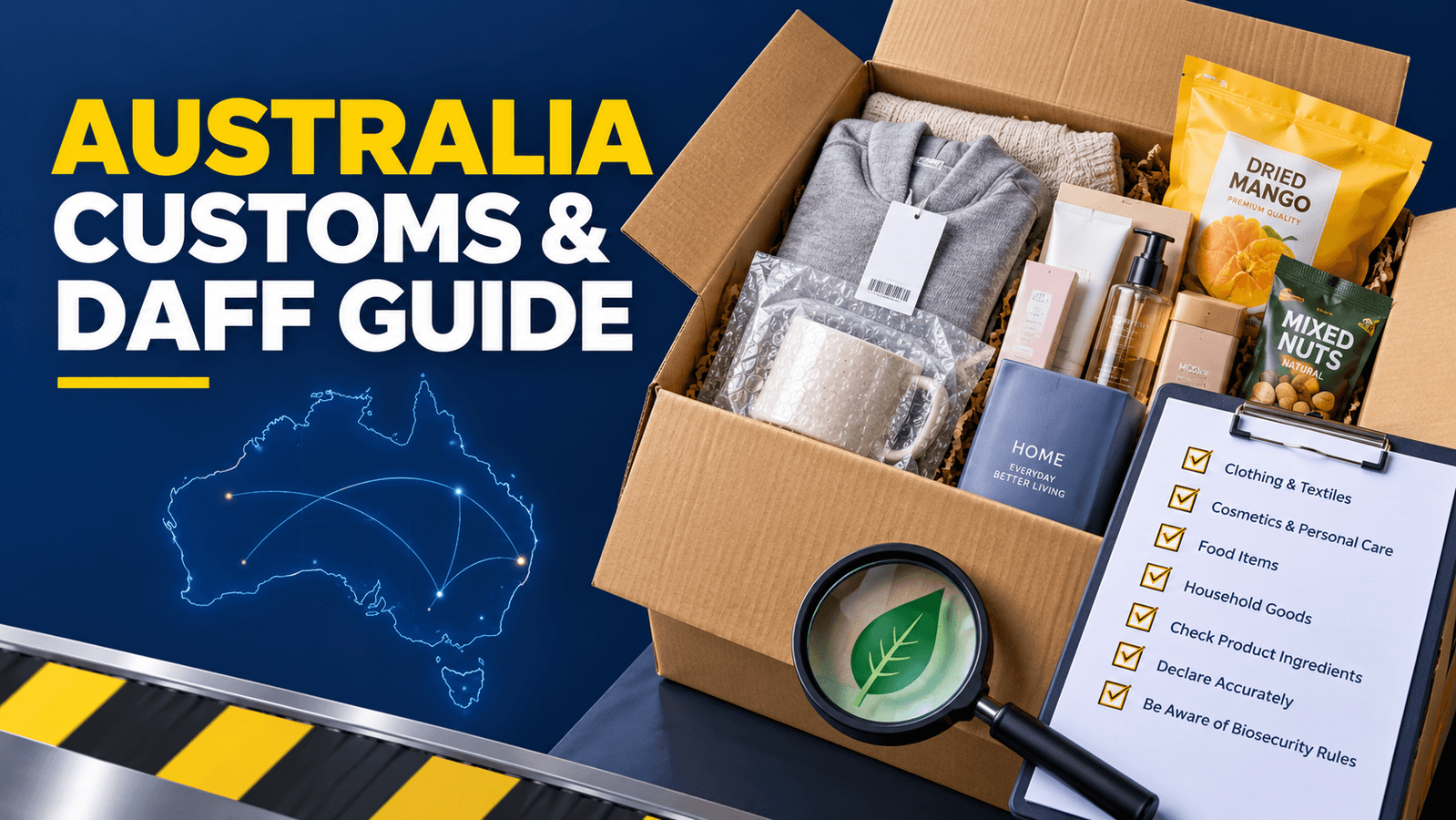
Australian Border Force administers border and customs functions, while the Department of Agriculture, Fisheries and Forestry manages biosecurity controls. Importers should consult Australian Border Force and BICON for current official requirements.
Why China shipments are held
Customs may need more information to assess classification, value, origin, permits, or tax treatment. Biosecurity may focus on food, plant or animal material, wood packaging, soil contamination, or other risk goods. A customs release does not necessarily mean biosecurity clearance has also been completed.
Commercial terms also cause confusion. DDP and DDU describe allocated delivery and cost responsibilities in a commercial arrangement; they do not authorise restricted goods or remove the importer’s obligation to provide truthful data. A service described as tax-inclusive should state which charges, thresholds, postcodes, and exceptions are covered.
How to prepare clearance step by step
- Write a precise commercial description for each product, including material, function, model, and composition where relevant.
- Reconcile invoice values, currency, quantities, freight, insurance, discounts, and payment evidence.
- Ask a licensed customs broker to review tariff classification and declaration needs.
- Search BICON for biosecurity conditions and obtain permits or treatment evidence before shipment when required.
- Confirm the importer, broker, freight forwarder, and seller responsibilities under the chosen Incoterm.
- Ensure labels, packing list, invoice, and physical cargo match.
- Keep supplier invoices, purchase records, product specifications, packing photos, and transport documents accessible.
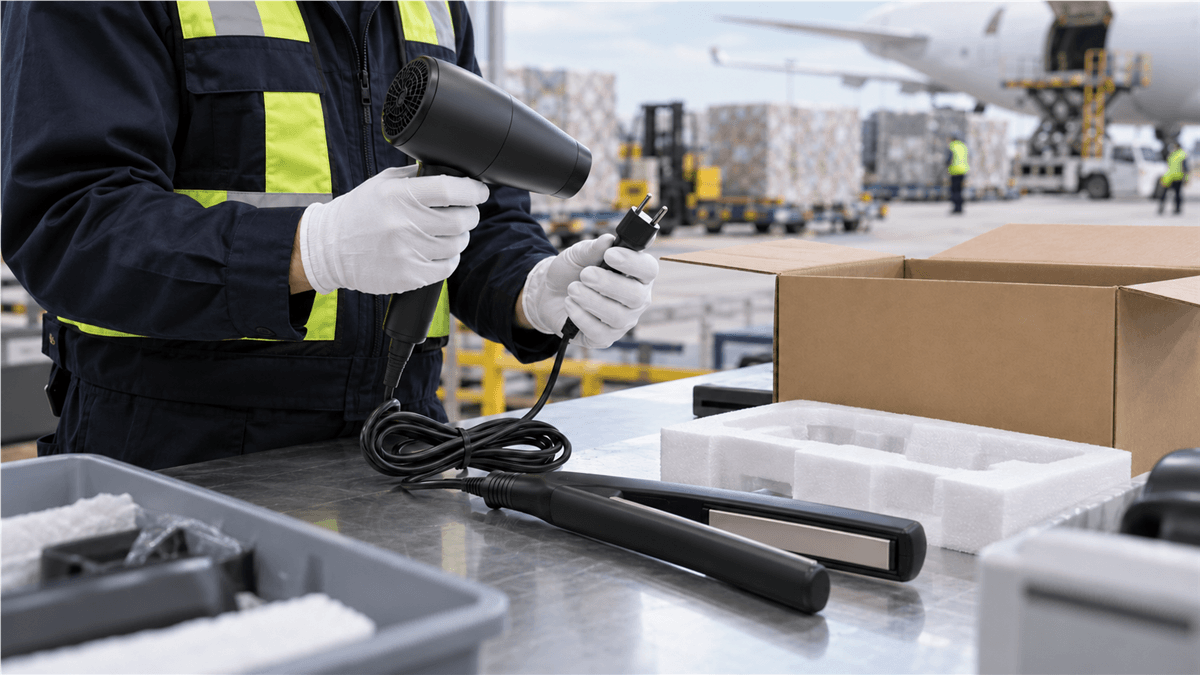
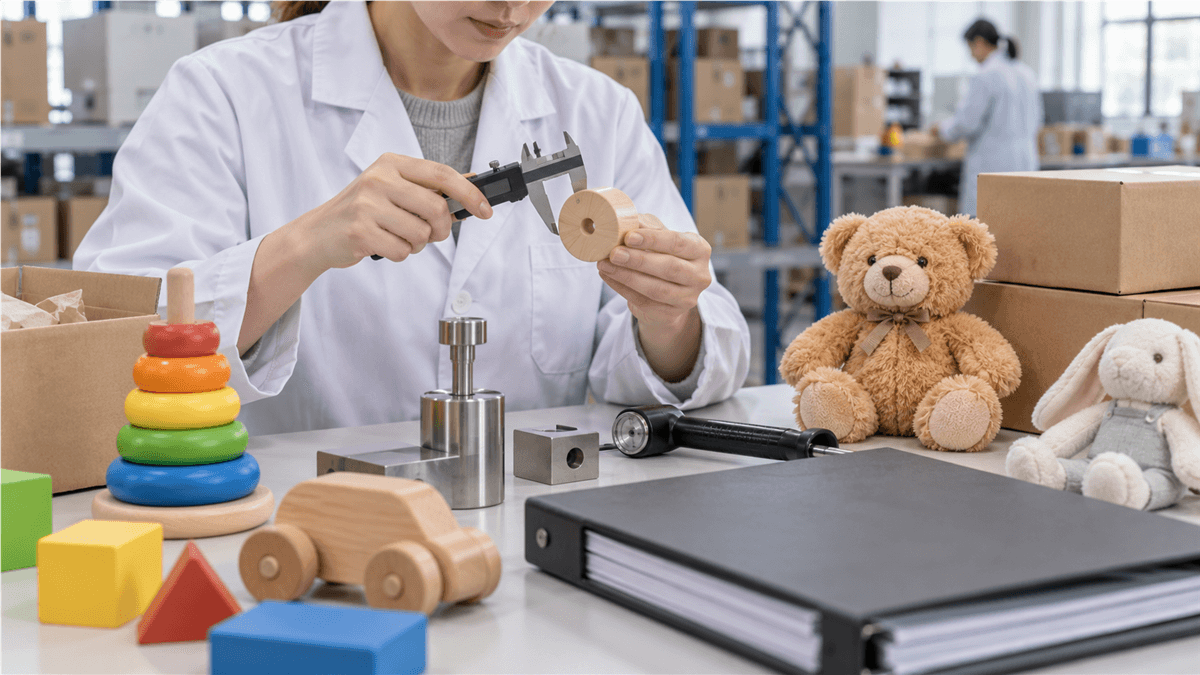
China-side inspection can catch mismatched quantities, packaging, or undeclared product features before international dispatch. YANCHAO offers warehouse receipt, inspection, consolidation, and logistics coordination; the importer and appointed broker remain responsible for Australian entry decisions.
Customs clearance approaches compared
| Approach | Who coordinates clearance | Best fit | Main caution |
|---|---|---|---|
| Broker-managed import | Importer-appointed broker | Commercial or complex goods | Importer must supply complete data |
| DDP logistics offer | Provider scope as contracted | Eligible, clearly defined shipments | Confirm exclusions and importer identity |
| DDU/importer-paid | Importer or consignee | Buyers with local capability | Taxes and charges may arise at arrival |
The strongest approach is the one with a named importer, named declarant, verified commodity data, and written charge scope. A vague “all included” statement is weaker than an itemised responsibility matrix.
Frequently Asked Questions
What documents are needed for Australian customs clearance?
Common records include the commercial invoice, packing list, transport document, importer details, product specifications, and permits or treatment evidence when applicable. Requirements vary by product, value, origin, and declaration type.
Is customs clearance the same as biosecurity clearance?
No. Customs and biosecurity assess different risks and legal requirements. A shipment can satisfy one process while still requiring action under the other, so both should be checked before dispatch.
Can a forwarder guarantee customs clearance?
No responsible provider can guarantee an authority’s decision. A forwarder or broker can prepare and lodge information, coordinate responses, and explain likely requirements, but approval depends on accurate facts and the relevant Australian authority.
Summary
China to Australia customs clearance is predictable when the product description, value, classification, importer, documents, and biosecurity conditions are settled before departure. Most preventable delays come from inconsistent or incomplete data, not the transport mode itself. Use official ABF and BICON information, appoint a qualified broker where needed, and document DDP/DDU responsibilities instead of relying on broad service labels.
Get the Australia Clearance File Checklist
Request a file checklist for invoices, packing lists, product specifications, payment evidence, permits, broker instructions, and responsibility allocation. For China-side purchasing, receiving, inspection, consolidation, or forwarding coordination, send YANCHAO a DM with the exact commodity and Australian postcode.

About the author
YANCHAO Team
Cross-Border Shipping Experts
This article is brought to you by the YANCHAO team - the people behind our self-developed warehouse platform and 5,000 m2 Huizhou facility. We help over 5 million international students and overseas shoppers ship safely and affordably from China to 100+ countries.
More about YANCHAO

Shipping Taobao and JD Purchases to Australia: Customs and DAFF Guide
October 11, 2026 at 16:26[…] only after the destination and goods details are ready. For a broader clearance overview, read China to Australia Customs Clearance. If the shipment contains used household belongings rather than new purchases, use the separate […]