Tag: Customs Inspection

Say Goodbye to Sea Freight Anxiety! Understanding Cutoff Times

Still stressed about sea freight deadlines? Confused by documentation, port, and customs clearance cutoff times? Don’t worry! This article will act as your experienced captain, guiding you through the sea freight process, helping you avoid hidden obstacles, and ensuring your cargo arrives safely and on time.

Why Are These Three Deadlines So Crucial?

Imagine booking a flight to a dream vacation, only to miss check-in and watch the plane depart without you. Frustrating, right? Sea freight operates similarly. Your cargo is you, and the cargo ship is your flight. The documentation, port, and customs clearance cutoff times are your check-in deadlines. Missing any of them could mean your cargo misses its “flight,” leading to delays and extra costs, leaving you stranded at the “airport” while your “luggage” is still in the “terminal.”

Deep Dive into the Three Key Deadlines:

1. Documentation Cut-off (Order Cut-off Time):

Think of this as the deadline for submitting your cargo’s “boarding pass.” Before this time, you must submit all necessary shipping documents, including the Bill of Lading, AMS (Automated Manifest System) for US shipments, ENS (Entry Summary Declaration) for European shipments, and VGM (Verified Gross Mass). Just as you can’t board a plane without a boarding pass, your cargo can’t board the ship without these documents.

  • Bill of Lading: This document proves ownership of the cargo and serves as the carrier’s receipt. It’s essentially your cargo’s “ID card.”
  • Other Documents: These are required for customs declarations and security regulations, ensuring your cargo is compliant with all applicable laws.

Tip: Documentation cutoff times vary significantly between carriers and routes. Furthermore, always confirm with your freight forwarder or carrier in advance to avoid last-minute scrambles.

2. Port Cut-off (Port Cut-off Time / CY Closing):

This is the final deadline for the terminal to receive containers—the “last call” for your cargo to arrive at the port. After this time, even with complete documentation, your cargo will be left waiting for the next available vessel.

  • CY (Container Yard): This is where containers are stored, similar to an airport’s “waiting area.”

Tip: The port cutoff time is typically 1-2 days before the ship’s departure. However, it can be earlier under special circumstances, so always be prepared.

3. Customs Clearance Cut-off (Customs Clearance Cutoff Time):

This is the deadline for completing customs clearance procedures and obtaining the necessary “travel visa” for your cargo. Even if your cargo has reached the terminal, it cannot be loaded onto the ship without customs clearance before this deadline.

  • Customs Release Document: This vital document confirms that the cargo has passed customs inspection and is approved for release. Consider it your cargo’s “visa.”

Tip: Customs clearance cutoff times also vary by carrier. In practice, clearances sometimes occur after the official cutoff. Therefore, maintain close communication with your carrier for the latest updates.

How to Avoid Missing These Crucial Deadlines?

  • Plan Ahead: Book your cargo space early, just like booking a flight in advance. This avoids “sold-out” situations and allows ample time for processing all necessary paperwork.
  • Maintain Communication: Stay in close contact with your freight forwarder or carrier, similar to monitoring flight status updates. This ensures you’re aware of the latest documentation, port, and customs clearance cutoff times, preventing missed deadlines.
  • Monitor Notifications: Pay close attention to carrier notifications, much like listening for airport announcements. This keeps you informed about schedule changes and deadline adjustments, minimizing potential delays.

Finally, Remember This Golden Rule:

Plan ahead, communicate effectively, and stay informed! By mastering these three key elements, you can navigate the “high seas” of sea freight and successfully reach your destination.

GET IN TOUCH

Let us Send You a Quote

How to Clear Customs in Houston for China Imports

Looking to ship your goods to Houston, Texas seamlessly? As one of the busiest ports in the United States, Houston’s customs clearance process is crucial for the timely arrival of your cargo. This guide provides a detailed walkthrough of Houston’s customs procedures, covering necessary documents, key considerations, and often-overlooked details. We’ll help you navigate the complexities of customs clearance, avoiding unnecessary delays and expenses, especially concerning US import tax and goods shipped from China to the US.

Houston: A Major Hub for US Import Tax and Goods Shipped from China to the US

Houston, the fourth-largest city in the US and the largest economic center on the Gulf Coast, is also the sixth-largest port in the world. Connected to 250 ports in 113 countries and regions, it primarily handles petrochemicals, agricultural products, and industrial machinery. Shipping from China to Houston can be direct, taking approximately 26-29 days, or via transshipment through ports like Freeport, extending the transit time to 52-56 days. Understanding the US import tax implications and the customs process is crucial regardless of your chosen shipping method.

Essential Documents for Importing to Houston and Managing US Import Tax

Here are the essential documents required for shipping to Houston:

  • Bill of Lading (B/L): Proof of ownership and the most critical document for customs clearance.
  • Commercial Invoice: Details the goods’ description, value, quantity, and is vital for assessing US import tax from China.
  • Packing List: Itemizes the contents of each package for customs inspection.
  • Arrival Notice: Informs the consignee of the cargo’s arrival at the port.
  • Fumigation Certificate or Non-Wood Packing Statement: Required depending on the packaging materials used. A Fumigation Certificate is necessary for wooden packaging, while a Non-Wood Packing Statement is required if no wood is used.

Consistency is Key for Smooth Customs Clearance and US Import Tax Calculation

Critically, the consignee information on the Bill of Lading must match the information on other documents (invoice, packing list, arrival notice). Discrepancies require a Letter of Transfer from the B/L consignee for a third party to clear customs. The invoice and packing list must include the complete names, addresses, and phone numbers of both the shipper and consignee. Missing information can cause delays in clearance and impact US import tax assessments, so meticulous checking is essential.

Special Considerations for US Customs and US Import Tax from China

Two crucial aspects of US Customs clearance, especially for shipments from China subject to US import tax, are:

  1. Tax ID/IRS No.: The US consignee’s Tax ID (also known as IRS No.) is mandatory for clearance, regardless of the method used. This is the consignee’s tax identification number registered with the IRS. Clearance is impossible without it.
  2. Bond: A customs bond is also required for clearance in the US. It guarantees the importer fulfills obligations like paying duties and taxes related to US import tax.

FDA Regulations: Crucial for Specific Products Shipped from China to the US

The FDA (Food and Drug Administration) regulates the safety of food, cosmetics, drugs, biologics, medical devices, and radiation-emitting products. Many products that come into contact with the human body, such as sunglasses, lunch boxes, first-aid kits, and ceramics, are subject to FDA regulations. Some products require an FDA number or certificate for clearance. If your goods fall under FDA jurisdiction, ensure compliance with FDA regulations and obtain necessary certifications to avoid issues with US import tax and customs clearance.

“Made in China” Labels: A Small Detail with Big Implications for US Import Tax

US Customs regulations mandate that all goods exported from China bear a “Made in China” label on the product and outer packaging. Non-compliance may result in on-site labeling, incurring significant costs and delaying warehousing. This is especially relevant when considering US import tax from China.

GET IN TOUCH

Let us Send You a Quote

Anti-Dumping Measures: A Concern for Certain Goods Shipped from China to the US

Some Chinese goods exported to the US, such as stainless steel sinks, steel pipes, and engineered wood flooring, may be subject to anti-dumping duties. If your goods fall into this category, familiarize yourself with the regulations and prepare accordingly. This can significantly impact your US import tax.

Conclusion: Preparation is Key for Smooth Customs Clearance and Managing US Import Tax

Clearing customs in Houston might seem daunting, but thorough preparation, understanding the regulations, and meticulously checking all documentation can prevent unnecessary complications. This guide aims to facilitate a smooth customs process for your goods, ensuring their safe and timely arrival. Remember, a professional customs broker can provide expert assistance and streamline the process, particularly concerning complex US import tax regulations for goods shipped from China to the US.

Importing Goods? Key Customs Inspection Rules You Must Know

Introduction: Why Customs Inspection Matters

When engaging in international trade, customs inspection is a crucial part of the import and export process. Many businesses face unexpected delays or penalties simply because they are unaware of the small but important details involved in a customs inspection. This article outlines essential aspects of customs checks that often go unnoticed, helping importers and exporters stay compliant and avoid unnecessary trouble.

1. What Is the “Customs Inspection Fee”?

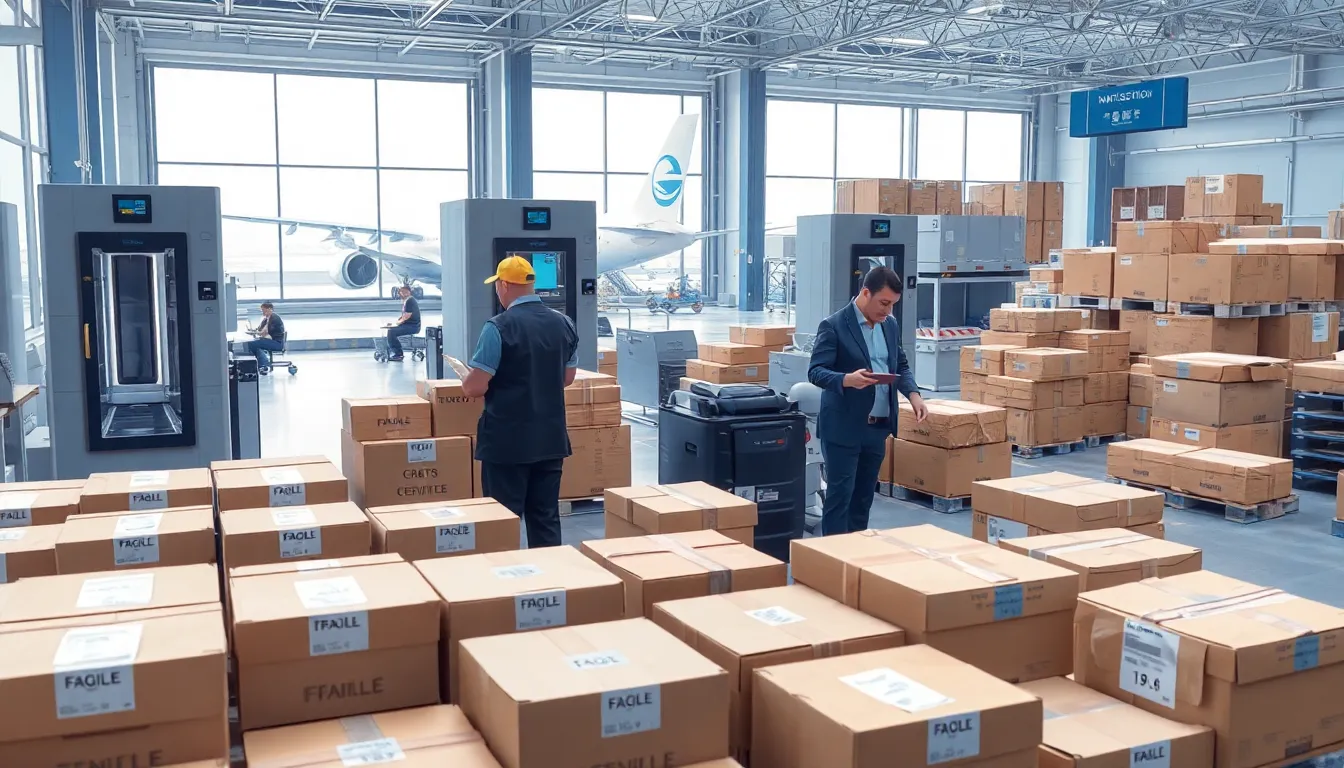
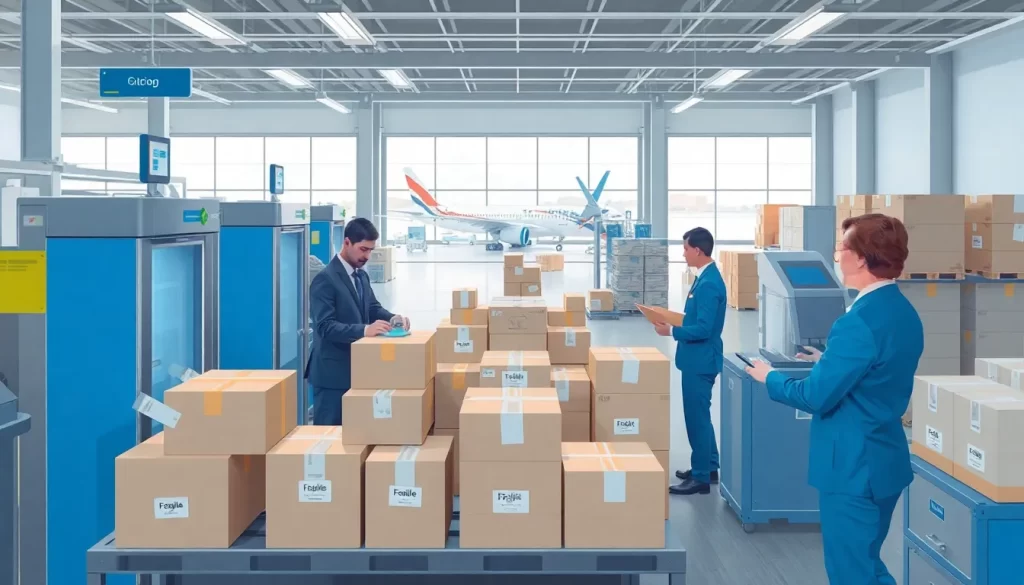
The so-called “customs inspection fee” is commonly misunderstood. This fee is not collected directly by the customs authorities. Instead, it refers to charges such as container lifting and unpacking fees, which are incurred at the port when a customs inspection is required. These costs are imposed by the port terminal and formal invoices are usually provided.

2. Main Objectives of a Customs Inspection

Verifying Actual Goods vs. Declaration

The primary goal is to verify that the goods being imported or exported match the documents submitted during the declaration process. Inspections help customs authorities detect underreporting, false declarations, smuggling, or any discrepancies not apparent during document review.

Addressing Document Review Concerns

Inspections help customs officers validate suspicions raised during document screening, providing reliable grounds for taxation, statistical analysis, and follow-up regulation.

3. Where Customs Inspections Take Place

Inspections usually occur at bonded areas like port terminals, train stations, airports, post offices, or other designated customs-controlled zones. However, for special cargo such as bulk goods, dangerous items, or perishable products, inspections may be conducted on-site upon request by the importer or exporter.

In exceptional cases, with customs approval, inspections can be arranged at alternative locations like factories, warehouses, or construction sites.

Enjoy Delivered Duty Paid (DDP) Service

Confused by customs classification or declaration issues? Our team ensures compliance at every step.

4. Common Mistakes That Lead to Inspection Issues

A. Misnaming Products

Confusion often arises between a product’s scientific name and its commercial name. Moreover, products with multiple English meanings may be translated incorrectly into Chinese or vice versa, causing mismatches during customs declaration.

B. Incorrect Packaging Specifications

Some clients include carton specifications in customs documentation, while for products with varying specs, both the maximum and minimum sizes should be specified. Irregular-shaped products might require multiple dimension entries (e.g., top and bottom lengths), which are often overlooked.

C. Incorrect Quantity Reporting

A frequent issue is underreporting the quantity, especially for tax refund purposes. Often, shipping data is finalized after the declaration documents are prepared, and changes are not updated in time.

D. Weight Discrepancies

There are two major areas where weight reporting goes wrong:

  • For bulk goods, declared gross and net weights often vary beyond the allowed 3%–5% range.
  • For weight-based pricing, net weights are sometimes reverse-calculated using gross weight and carton weight formulas.

One notable case involved a client who calculated net weight incorrectly. Customs didn’t even need to open the container; they saw that the weights printed on the box labels didn’t match the customs forms. The boxes were pre-printed, and no updates were made — a careless and costly oversight.

E. Missing Samples or Free Gifts

Sometimes extra items like samples or bonus products are added during container loading but not included in the declared item count. In one instance, a customer added several boxes of unrelated goods at the last minute but failed to update the total count, causing problems during inspection.

F. Missing or Misreported Shipping Marks

Shipping marks often contain logos or product details. If marks are present, they must be accurately reflected on the customs declaration to avoid brand or trademark conflicts.

G. Branding Confusion

Terms like brand name, imitation brand, factory label, hangtag, registered trademark (®), and logo must be clearly distinguished. Mixing them up can lead to legal issues.

H. Incorrect Country of Origin

Some factories print origin or advertising information on packaging, which may be inaccurate in cases of third-party trade. For example, if a Singaporean company buys goods from China and sells to an unaware Russian buyer, a wrong origin label could prevent clearance in Russia.

I. Incorrect Customs Classification

Always verify that the customs code (HS Code) matches the product. Multi-function items are particularly prone to misclassification. For instance, a tablet with calling functionality should be classified as a smartphone, not a regular tablet.

J. Old or Used Items

Most used goods cannot be exported. Problems arise when open-top or flat-rack containers expose goods to rain, giving them the appearance of being used. Similarly, household goods in moving containers often trigger customs scrutiny.

K. Price Declaration vs. Customs System Pricing

Each product category has a designated price range in the customs system, including a local port price and a national minimum price. While export declarations are more lenient, import pricing is scrutinized carefully.

L. Products Requiring Laboratory Testing

Some items, such as chemicals, require lab analysis and cannot be identified by appearance alone. These cases are less common but still important.

M. Inspections During Cross-Border Trucking

During transport between Hong Kong and mainland China, container trucks are subject to inspection. Special container types may receive more detailed scrutiny.

Avoid Customs Headaches

We manage duties, taxes, and customs inspections so your cargo arrives on time and stress-free.

5. Final Thoughts

Customs inspection is far more than a routine formality—it’s a gatekeeper for global trade. Neglecting any detail, no matter how small, could result in shipment delays, financial penalties, or worse.

Importers and exporters must maintain up-to-date documentation, verify every data point, and ensure packaging and labeling match the declarations to navigate customs inspections smoothly and compliantly.