Shipping a package from China to Canada can be costly, especially when you’re not familiar with the logistics landscape. Whether you’re a business owner exporting products or an individual sending a personal parcel, finding the cheapest way to ship a package to Canada is essential. Fortunately, Geesenest offers several dedicated shipping lines tailored to various needs—making the process faster, safer, and more affordable.
Geesenest’s Canada Shipping Options: Which Is the Most Cost-Effective?
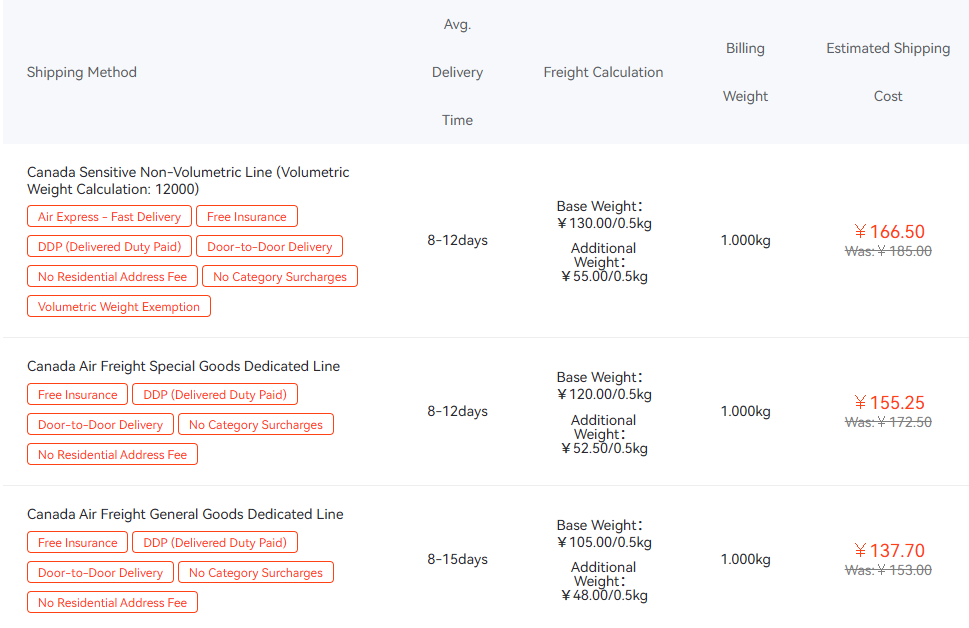
Geesenest provides three optimized shipping routes for packages to Canada, each designed with specific parcel types and budgets in mind.
1. Canada Sensitive Non-Volumetric Line
Price: ¥166.50 per 1kg (discounted from ¥185.00)
Delivery Time: 8–12 days
Highlights: Volumetric weight exemption, free insurance, and full DDP coverage.
2. Canada Air Freight Special Goods Dedicated Line
Price: ¥155.25 per 1kg (discounted from ¥172.50)
Delivery Time: 8–12 days
Highlights: Handles sensitive goods with no hidden surcharges or address fees.
3. Canada Air Freight General Goods Dedicated Line
Price: ¥137.70 per 1kg (discounted from ¥153.00)
Delivery Time: 8–15 days
Highlights: Full DDP, no category surcharges, ideal for general parcels.
How to Ship a Package to Canada with Geesenest
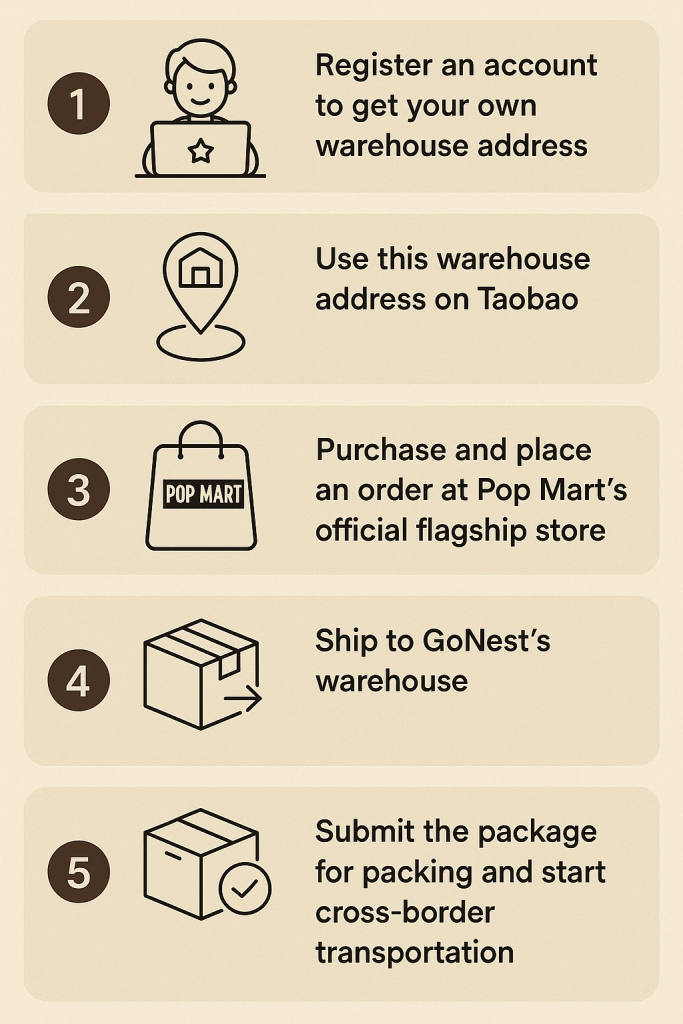
Send Your Packages to the Geesenest Warehouse: If you’re shopping on Chinese platforms, use the Geesenest warehouse address. For third-party shipments, redirect to this address.
Submit for Repackaging Once All Items Arrive: Use the shipping calculator to estimate cost before packaging.
Provide Your Final Delivery Address: Your package will be shipped to this address.
Choose Your Preferred Shipping Line: Select air or sea based on speed and budget.
Pay the Estimated Shipping Fee: Final amount may require adjustment after repackaging.
Confirm and Ship: Your parcel will be cleared and delivered to your door.
What You Need to Know Before Shipping
Geesenest handles a wide variety of products, but certain goods require special care or documentation.
Electronics
Limit: Up to 2 units per person, CA$200 max for tax exemption
Wildlife: Import restrictions and permit requirements
Medicines: Health Canada approval; 5–15% duties
Geesenest Is the Cheapest Way to Ship a Package to Canada
With transparent pricing, flexible routes, built-in insurance, and customs guidance, Geesenest is your one-stop solution for shipping packages from China to Canada.
Introduction: Why Choose GoNest for Shipping to Australia?
Finding the cheapest way to ship to Australia from China without compromising speed or security has long been a challenge for global businesses and individuals. That’s where GoNest stands out. Designed for both eCommerce sellers and everyday shippers, GoNest offers a dedicated set of logistics lines tailored specifically for shipping goods to Australia — combining affordability, fast delivery, and unmatched transparency.
In 2025, when every cent matters, GoNest ensures you’re not overpaying for essential features like door-to-door service, insurance, and customs clearance. Let’s explore why GoNest might just be the smartest logistics move you can make this year.
Cheapest Way to Ship to Australia in 2025 – A Market Comparison
Compared to USPS, DHL eCommerce, and Aramex, GoNest consistently ranks among the lowest-cost providers for shipments from Asia to Australia. Here’s why:
USPS First-Class Intl: ~$16.75 for 1kg, 10–21 days, no insurance included.
DHL eCommerce: ~$18.50 for 1kg, 6–15 days, limited DDP service.
GoNest Air Freight: From ¥108.90 (~$15) for 1kg with free insurance and DDP, delivery in just 7–12 days.
With GoNest, you pay less and get premium services included — no nickel-and-diming. This is especially useful if you’re looking for a reliable Freight Forwarder.
Overview of GoNest’s Australia Shipping Services
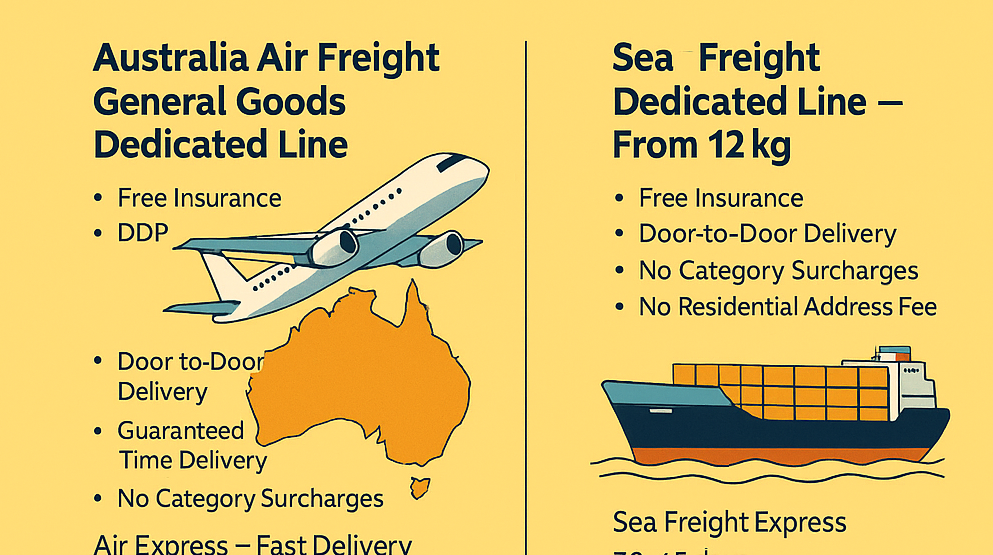
GoNest offers three dedicated shipping lines to Australia:
Each service is optimized for cost, speed, and type of cargo — giving you maximum flexibility. You can use a shipping calculator on their website to compare options.
GoNest Air Freight General Goods Dedicated Line
Perfect for standard packages like electronics, fashion, or personal items.
Delivery Time: 7–12 days
Base Cost: ¥89.00 for first 0.5kg
Extra Weight: ¥32.00 per 0.5kg
Example: 1.0kg = ¥108.90 (~USD $15)
Benefits:
Free insurance
DDP (Delivered Duty Paid)
Guaranteed time delivery
No surcharges for residential addresses or package categories
This makes it ideal for small businesses or individuals sending parcels quickly and safely.
GoNest Sea Freight Line – Best for Bulk Shipping
When shipping heavier goods (over 12kg), GoNest’s Sea Freight option becomes your cheapest way to ship to Australia.
Delivery Time: 30–45 days
ZIP Coverage: 2000–4999 in Australia
Base Weight: ¥192.00 for 12kg
Additional: ¥16.00 per 1kg
Example: 20kg = ¥320.00 (~USD $45)
It’s slower, yes — but incredibly budget-friendly for wholesalers or international movers.
GoNest Air Freight Special Goods Line
Need to ship batteries, liquids, or special items? GoNest has you covered with this option.
Delivery Time: 7–12 days
Base Cost: ¥89.00 for 0.5kg
Additional: ¥35.00 per 0.5kg
Example: 1.0kg = ¥111.60 (~USD $16)
All the same great perks — DDP, no residential or category fees, guaranteed delivery.
What Makes GoNest the Cheapest Way to Ship to Australia?
Beyond low base prices, GoNest eliminates extra costs that competitors often sneak in:
Included
GoNest
Most Couriers
Free Insurance
✅
❌
DDP (Customs Included)
✅
❌
Door-to-Door
✅
✅
No Residential Fee
✅
❌
Category Surcharges
❌
✅
All these advantages make GoNest a true value leader in international logistics. Understanding how much does it cost to ship to Australia requires considering these hidden fees, which GoNest eliminates.
Real-Life Cost Examples with GoNest Pricing
Here’s what you’d pay with GoNest vs other services for popular weights:
Weight
GoNest (Air)
USPS Intl
DHL eComm
1.0kg
¥108.90 (~$15)
$28
$26
5.0kg
¥300 (~$41)
$85
$75
10.0kg
¥556 (~$76)
$140+
$130
For larger parcels, switching to GoNest Sea Freight saves even more. Using a shipping calculator will highlight these savings.
Delivery Speed: GoNest vs Traditional Couriers
Though affordable, GoNest doesn’t compromise speed. Here’s a look:
Service
Delivery Time
GoNest Air Freight
7–12 days
DHL eCommerce
6–15 days
USPS Priority
10–21 days
GoNest Sea Freight
30–45 days
Fast, dependable, and trackable — GoNest stands up to major players on both speed and price.
Understanding DDP (Delivered Duty Paid)
One of GoNest’s standout features is DDP (Delivered Duty Paid)—a game-changer for international shippers. With DDP:
GoNest handles customs clearance
Duties and taxes are prepaid, meaning no unexpected fees
Buyers receive packages hassle-free without dealing with local authorities
For anyone shipping to Australia, DDP ensures smoother delivery and fewer returns or delays—particularly crucial for eCommerce and business shipments.
GoNest Packaging Guidelines and Size Limits
To get the best rates and avoid unnecessary charges, follow GoNest’s simple packaging tips:
Keep it Compact: Use boxes that fit your items snugly to minimize dimensional weight.
Use Sturdy Materials: Especially for Air Freight, use reinforced cardboard with ample internal padding.
Label Clearly: GoNest requires clean, scannable barcodes and address tags.
Weight Limits:
Air Freight: Max 30kg per parcel
Sea Freight: Ideal for shipments over 12kg
Special Goods: Confirm if your item qualifies before booking
How to Track Your GoNest Shipment to Australia
Transparency is a GoNest priority. You can track all shipments using:
GoNest Online Portal: Enter your tracking number and view real-time updates.
SMS/Email Notifications: Get alerts when your package ships, clears customs, and is out for delivery.
GoNest also provides dedicated customer support in case of delays or queries.
Step-by-Step: How to Ship to Australia with GoNest
Here’s how easy it is to start shipping:
Create a GoNest Account on their website.
Choose Your Shipping Line (Air, Sea, or Special Goods).
Enter Package Details (weight, size, contents).
Print Shipping Label and schedule pickup/drop-off.
Track and Relax—GoNest handles customs and final delivery.
Within minutes, your shipment is on its way to Australia with DDP and insurance included.
GoNest has earned high marks from international sellers and personal shippers alike:
“I switched from DHL to GoNest and cut my shipping bill in half — with faster delivery too!” — Ming, E-commerce Store Owner
“It’s the only service I trust to deliver to Sydney without customs issues.” — Liam, Sydney Resident
Reliable, fast, and affordable—GoNest consistently delivers 5-star satisfaction.
GoNest vs Other Freight Forwarders
Let’s break it down:
Feature
GoNest
Shipito
MyUS
DDP
✅
❌
❌
Free Insurance
✅
❌
❌
Residential Fee
❌
✅
✅
Category Surcharge
❌
✅
✅
Starting Cost (1kg)
¥108.90 (~$15)
$35+
$30+
No hidden fees. No confusion. Just straightforward, cost-effective delivery. GoNest is a great Freight Forwarder option.
FAQs About GoNest and Cheapest Way to Ship to Australia
Q1: Can GoNest ship to all parts of Australia?
A: Yes, GoNest ships nationwide, including metro and rural areas. Sea Freight currently supports ZIPs 2000–4999.
Q2: Are there restricted items?
A: Yes, like all couriers, GoNest follows international restrictions—no explosives, flammable liquids, or unauthorized electronics.
Q3: How do I pay for duties with GoNest?
A: You don’t—GoNest includes DDP, so all customs fees are covered upfront.
Q4: What if my item gets damaged in transit?
A: GoNest provides free insurance on all parcels for extra peace of mind.
Q5: Can I ship large furniture or heavy machinery?
A: Yes, Sea Freight supports large items—contact GoNest for quotes above 30kg.
Q6: Do I need to worry about Australian customs?
A: Nope! GoNest handles customs clearance through DDP. You simply ship and relax.
Final Thoughts: Is GoNest Your Best Shipping Partner to Australia?
If you’re looking for the cheapest way to ship to Australia from China with zero compromise on reliability, GoNest checks all the boxes:
✅ Low rates starting from ¥89
✅ Fast delivery within 7–12 days
✅ Free insurance and DDP
✅ No hidden surcharges
Whether you’re a first-time shipper or a seasoned seller, GoNest makes global shipping simpler, safer, and more affordable than ever. Don’t forget to use their shipping calculator to get an estimate for how much does it cost to ship to Australia with your specific package.
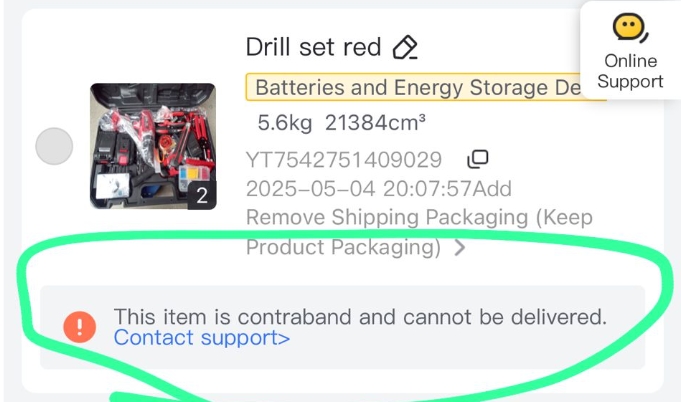
When your package arrives at GoNest and is flagged as “prohibited” or “restricted,” preventing its shipment, it usually signifies that you’ve purchased items that don’t comply with international shipping regulations. While global e-commerce opens doors, not all goods are permissible for air or sea transport to your specific country. Certain items are explicitly banned as prohibited or sensitive goods. This comprehensive guide delves into these restricted items and provides solutions for such issues. For example, understanding these restrictions is vital for a smooth shipping experience.
What are Prohibited Items?
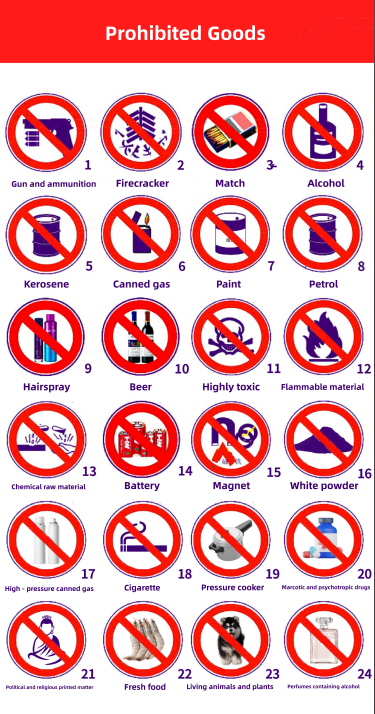
Whether it’s domestic Chinese express delivery or international shipping, prohibited items are strictly forbidden. These primarily include hazardous materials such as gunpowder, firearms, weapons, knives, gasoline, and chemicals. The following chart outlines goods GoNest cannot ship, so it’s recommended to consult it before making purchases to avoid inadvertently buying prohibited items. If you happen to purchase a prohibited item, your package status will consequently display “Prohibited.” Furthermore, it’s essential to remember that this list isn’t exhaustive, and regulations can change.
What are Sensitive Goods?
In international shipping, sensitive goods often refer to branded items, such as replica bags, trendy shoes, apparel, and similar products. Anything that could potentially infringe on copyright is typically classified as a sensitive good. Certain countries may allow the shipment of these items through specialized channels, meaning sensitive goods require specialized handling via dedicated shipping lines. Therefore, it is essential to understand the distinction.
If your country’s customs authorities have strict inspection procedures for these types of goods, we will inform you that shipment is not possible. This is because your goods will be confiscated upon inspection. To prevent both financial loss and the loss of your goods, we will recommend that you return the item immediately. For instance, many countries have strict policies against counterfeit goods.
Why Can’t Perfume Be Shipped?
Perfume might seem harmless in everyday life, but in international shipping, it’s classified as a prohibited item. Most perfumes contain alcohol, which is why they are categorized as hazardous and ineligible for international parcel transport. Consequently, it’s best to avoid shipping perfume internationally. Moreover, even small quantities can cause issues.
Even though customs inspections for perfume may not be rigorous in some countries, this doesn’t guarantee that your country will allow its shipment. At GoNest, when we receive perfume, we typically label it as “Prohibited,” indicating that the item cannot be shipped to your country. In addition, some shipping companies might have their own specific restrictions.
What are Internal Battery Products (内电产品)?
If you purchase electronic products, our warehouse inspection might affix a “Internal Battery Product” label. This is because electronic devices containing batteries require separate confirmation of shipping policies. Typically, we advise against shipping these products because they are ineligible for purchase protection insurance. In other words, the risk is higher for shipping these items.
Does This Mean I Can’t Ship Electronic Devices at All?
At GoNest, this doesn’t necessarily mean you can’t ship electronic devices entirely. First, you need to contact our customer service team. They will inform you of the associated risks and terms:
“Dear, we don’t recommend transporting electrical products because the quotation service cannot be purchased. Besides, if your electronic devices are lost or damaged during transportation, they can only be compensated according to the standard of 40 yuan / kg. please note this. For example, the compensation standard of computer, mobile phone, laptop, headset, game console, etc. is as above. If you agree, we will arrange for transportation.”
As long as you agree to the shipping policy and compensation terms, you can ship electronic products. Our customer service team will then remove the “Internal Battery Product” label from the package. However, keep in mind the limited compensation in case of loss or damage. Furthermore, consider purchasing separate insurance if possible.
What Should I Do When My Packages Display These Labels?
When you see that a package is labeled as “Prohibited” or “Internal Battery Product,” first verify whether you’ve purchased any of the aforementioned non-shippable items. Remember that perfume and explicitly prohibited items are strictly off-limits. Therefore, taking a moment to double-check is worthwhile.
For prohibited items or goods for which you cannot accept the shipping terms, you should contact our customer service team to inform them about handling the return and refund process. Alternatively, another option is to return the item to the seller directly.
Another approach is to disregard the non-shippable packages during the packing process. Submit the remaining packages for shipment first. Afterward, revisit the untransportable packages for resolution. Subsequently, you can focus on returning or disposing of the prohibited items.
Battery-containing goods cannot be shipped either
If your item contains a battery, such as a remote-controlled toy car. Or if it’s just a battery, this is also not allowed to be shipped. However, if you can remove the battery from the item, then your item can be shipped again. In addition, power banks are also not allowed to be shipped. If you have this type of product in your package, please apply for a return and refund immediately.
As global trade recovers and reshapes in 2025, international shipping is once again at the center of intense scrutiny. After several years of rate volatility due to the pandemic, port congestion, and geopolitical instability, the second half of 2025 shows signs of renewed pricing pressure. Understanding the cheapest way to ship to Australia from China and other key routes is crucial for businesses.
July Shipping Price Hikes by Major Carriers
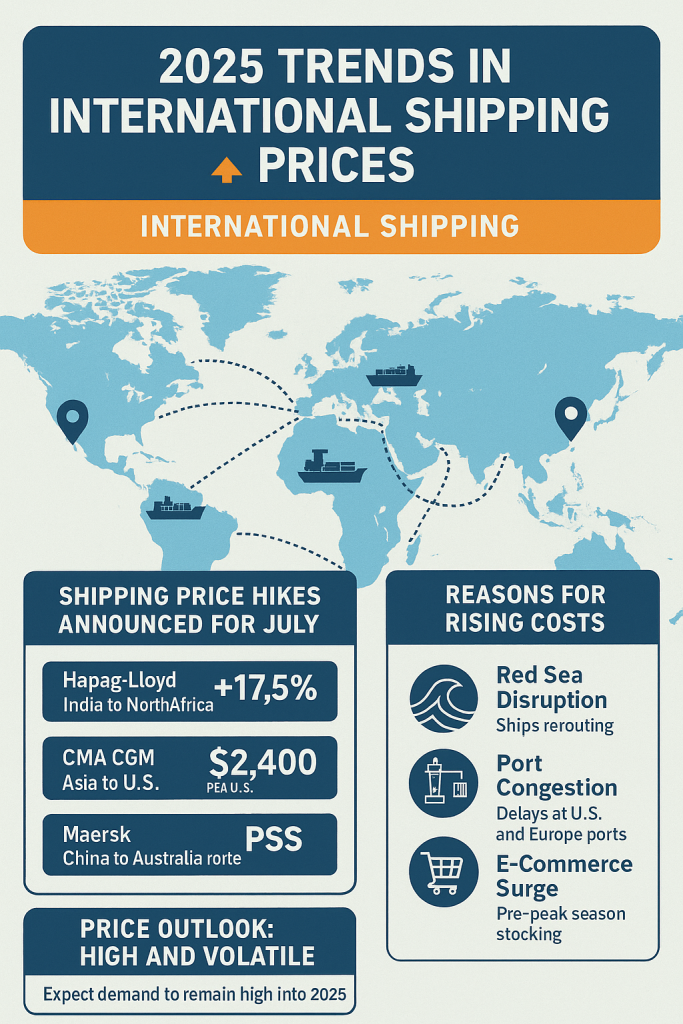
Shipping giants like Hapag-Lloyd, Maersk, and CMA CGM have already signaled sharp price increases across key global routes starting July—sparking questions for exporters, freight forwarders, and global supply chain managers alike.
The latest wave of price hikes began with Hapag-Lloyd, announcing a General Rate Increase (GRI) effective July 15, 2025:
South America East Coast to North America/Mexico: +$500 per container (dry and reefer)
India Subcontinent to Southern Europe & North Africa: 20ft container base rate jumps from $2,852 → $3,352 (+17.5%)
CMA CGM followed, implementing a Peak Season Surcharge (PSS) of $2,400 per 40ft container from Asia to the U.S. starting July 1.
Maersk also raised prices on routes from China to Australia and the Middle East, marking a coordinated rate strategy across regions. Determining how much does it cost to ship to Australia now requires careful evaluation.
Highlighted Rate Increases Across Key Routes
Carrier
Route
Surcharge Type
New Rate
Hapag-Lloyd
India to North Africa
Base Rate
$3,352/20ft
CMA CGM
Asia to U.S.
PSS
$2,400/40ft
Maersk
China to Australia
PSS
Variable
These increases reflect not just rising operational costs but also strategic anticipation of Q3 peak demand.
Why Are International Shipping Prices Rising?
Red Sea Security Concerns: With heightened tensions in the Red Sea, many ships are rerouting via the Cape of Good Hope, adding fuel, time, and risk premiums.
Port Congestion: Major ports like Los Angeles and Rotterdam remain heavily congested, increasing turnaround times and reducing available shipping slots.
Pre-Peak Season Stocking: Retailers, particularly eCommerce giants like Amazon, are ramping up inventory ahead of the holiday shopping season.
Red Sea Crisis and Its Ripple Effect on Routes
Rerouting around Africa significantly increases transit costs and days in transit:
Up to 15 additional days per voyage
Increased fuel consumption
Lower shipping availability, tightening supply
This alone can raise rates by 10–15% in affected lanes.
Port Congestion in the U.S. and Europe
Shipping bottlenecks at ports like LA, Long Beach, Rotterdam, and Antwerp are due to:
Increased inbound volumes
Labor shortages
Inland rail/container shortages
Waiting times can exceed 5–7 days, adding to storage and demurrage costs.
Mixed Market Signals: Dry Bulk Index Down, Demand Stable
While the Baltic Dry Index (BDI) recently dipped, indicating potential rate softening in bulk shipping, container traffic remains robust—especially in retail sectors.
Result: Even with lower bulk rates, container freight continues to experience upward pressure due to strong demand and route instability.
The Role of eCommerce in Peak Season Freight Demand
Global eCommerce platforms begin stocking for Black Friday, Cyber Monday, and Christmas as early as July. This leads to:
Sudden spikes in container demand
Increased competition for space
Advance bookings at premium rates
Expect steady demand from July through October.
2025 Forecast: What to Expect for July and Beyond
Experts predict that shipping prices in July will remain high but stable:
Upside: Carrier confidence and booking data suggest ongoing strong demand.
Downside: Price-sensitive shippers may reduce volumes temporarily.
Most forecasts show “high and flat” pricing unless new geopolitical issues arise.
Will Prices Continue to Rise or Stabilize in July?
While major rate hikes are already announced, a further surge is unlikely—mainly because:
Some shippers are holding off due to high costs
Warehouses are still catching up from earlier imports
Still, expect little room for price drops unless demand collapses—making this a key month for freight negotiations.
Strategic Advice for Exporters and Freight Forwarders
Plan Shipments Early: Avoid last-minute bookings when space is limited and prices spike.
Diversify Shipping Methods: Use a mix of sea, air, and rail where feasible.
Communicate with Agents: Stay updated with multiple freight forwarders.
Build Rate Clauses into Contracts: Account for volatility.
Use Market Tools: Platforms like Freightos or Xeneta provide rate tracking.
Comparing Air Freight and Rail as Alternatives
While sea freight remains the backbone of international shipping, alternatives are gaining traction—especially when time or stability is a factor.
Air Freight
Pros: Fast (3–7 days), less impacted by sea route disruptions.
Cons: Expensive, not suitable for heavy or bulky goods.
Rail Freight (e.g., China–Europe Railway)
Pros: Balanced cost and speed (15–25 days), stable schedules.
For high-value, time-sensitive goods, air freight may justify the cost. For mid-size, cross-continental shipments, rail is a strong contender.
How to Stay Ahead in a Volatile Shipping Market
To manage freight costs and avoid disruption, businesses should:
Use Real-Time Rate Tools: Platforms like Freightos, Shifl, and Flexport show market rates and lane capacity. Use a shipping calculator to estimate costs.
Build Strong Carrier Relationships: Having multiple agents or NVOCC partners ensures flexibility.
Scenario Plan: Prepare for port strikes, political issues, or fuel spikes by identifying alternative routes or carriers.
Regional Outlook: U.S., Europe, Middle East, Asia
United States
Strong demand from Asia.
Rates expected to remain firm due to import activity ahead of Q4.
Europe
Port delays in Rotterdam and Antwerp continue.
Slight weakening in demand may moderate prices.
Middle East
Increased volumes via UAE due to Red Sea detours.
Growing intra-Gulf trade driving rate pressure.
Asia
Export-heavy environment.
China to Australia and India to Europe routes under sustained pricing pressure. Finding the cheapest way to ship to Australia from China remains a priority.
Impact on SMEs and B2B Cross-Border Commerce
Smaller exporters and B2B platforms face the toughest challenge:
Higher per-unit shipping costs erode margins.
Longer lead times disrupt inventory planning.
Customers may delay or cancel orders due to delivery uncertainty.
To mitigate, SMEs should:
Share containers (LCL) with trusted freight forwarders.
Offer bundled or prepaid shipping options.
Consider third-party logistics (3PL) partnerships near end markets.
Frequently Asked Questions About International Shipping Prices
Q1: Why are container shipping prices so high in 2025?
A: Ongoing geopolitical disruptions, high demand, and limited vessel space are primary drivers.
Q2: Will prices drop after the peak season?
A: Prices may soften slightly post-Q4, but core rates will likely remain elevated due to long-term structural costs.
Q3: How do I lock in better rates?
A: Negotiate long-term contracts with freight forwarders and avoid one-time spot bookings during peak periods.
Q4: What’s the best route alternative to the Red Sea?
A: Many carriers now use the Cape of Good Hope, but air and rail are also viable alternatives for urgent shipments.
Q5: How do I get real-time rate updates?
A: Use shipping intelligence platforms like Xeneta, Freightos, or CargoWise.
Q6: Are insurance costs rising too?
A: Yes, especially in high-risk routes like the Red Sea. Consider comprehensive cargo insurance to offset unexpected losses.
Conclusion: Prepare Now or Pay Later
As July 2025 unfolds, it’s clear the international shipping market is entering a high-cost, high-demand phase. While rates may not skyrocket, they’re unlikely to fall—especially on high-volume or volatile routes. Using a shipping calculator can help you anticipate these costs.
Companies that plan early, diversify logistics partners, and monitor shipping conditions will navigate this phase more profitably. Those who delay may find themselves outbid for space, forced into premium options, or worse—facing delivery failures. Businesses shipping from China will need to be very aware of how much does it cost to ship to Australia and other key destinations.
Proactive strategy beats reactive cost-cutting. The time to act is now.
If you are a foreign trader, freight forwarder, or interested in international trade, then the term “sea freight” must be familiar to you. Maritime transport is the most important mode of transport in international trade, accounting for more than 90% of the global cargo volume. So, how exactly does by sea transport operate? How is sea freight carried out? This article will guide you through the operations of maritime transport, giving you a comprehensive understanding of by sea transport.
What is Sea Freight?
Simply put, sea freight is the transportation of goods by ships sailing on the sea. It is like a “sea bus”, transporting goods from all over the world to different ports. Compared with air and land transport, the advantage of maritime transport is its large volume and low cost, making it suitable for bulk goods and long-distance transportation. Imagine if we want to transport a batch of cars, large machinery, or tons of raw materials, by sea transport is undoubtedly the best choice. Of course, the disadvantages of sea freight are also obvious: it is slow and greatly affected by the weather. Therefore, when choosing a mode of transport, you need to consider the nature of the goods, time requirements, and budget.
Two Main Types of Maritime Transport:
Sea freight is mainly divided into two types, like “private car” and “carpool” services in express delivery:
Full Container Load (FCL): Refers to a container used entirely by one shipper. This method is suitable for large quantities of goods, which can reduce transportation costs and reduce the risk of cargo damage. You can imagine it as a “private car”, where the goods exclusively enjoy a container, which is safer and more convenient.
Less than Container Load (LCL): Refers to the transportation of goods from multiple shippers in one container. This method is suitable for small quantities of goods, which can save transportation costs, but requires additional LCL fees and longer transportation times. This is like “carpooling”. Although the price is cheaper, you may have to wait for other people’s goods, and some goods may be unloaded along the way.
Which method to choose depends on your cargo volume and budget. If your cargo is enough to fill a container, then FCL is a better choice. If your cargo volume is small, then LCL can help you save costs.
The Operation Process of Sea Freight
By sea transport operation is a complex process involving multiple links and participants. According to the information, we can break down the operation of sea freight into the following main steps:
Export Sea Freight Operation Process (Taking Container as an Example)
Consignment Acceptance: The freight forwarding company (or you directly) accepts the customer’s consignment, that is, you need to tell the freight forwarding company what goods you want to transport and from where to where, just like placing an order online.
Booking: The freight forwarding company books space with the shipping company, just like booking a plane ticket, to ensure that your goods have a “seat”.
Container Stuffing: Arrange for the container to be loaded with goods at the designated location, just like checking in your luggage at the airport.
Customs Declaration and Container Loading: Prepare customs declaration documents, carry out customs declaration, and then load the goods into the container, just like airport security, to ensure that your goods meet the regulations.
Loading: Load the container onto the ship, just like your luggage being loaded onto the plane.
Unloading: After the ship arrives at the destination port, unload the container, just like the luggage being unloaded after the plane arrives at the destination.
Notice of Delivery: The freight forwarding company notifies the consignee to pick up the goods, just like the express delivery company sends you a text message to notify you to pick up the package.
Customs Clearance: The consignee goes through import customs clearance procedures, just like you need to accept customs inspection when entering the country.
Exchange Order: The consignee exchanges the delivery order with the shipping company or its agent with the delivery order, just like you take the ID card to the express station to pick up the express.
Delivery: The consignee picks up the goods at the port with the delivery order, just like you get the express.
Shipping Operation Process (From the Perspective of Freight Forwarding Company)
Shipping operations are mainly handled by personnel in the freight forwarding company who are specifically responsible for docking with the shipping company. They are like “middlemen”, responsible for coordinating the relationship between the shipping company and the cargo owner. They need to:
Inquiry: Inquire about prices from different shipping companies, compare prices and services, just like you shop around.
Booking: Choose a suitable shipping company, book space, and get the shipping company’s booking confirmation, just like you successfully booked a plane ticket.
Issue Shipping Order (S/O): The shipping company issues a Shipping Order (S/O), which is an important voucher proving that you have successfully booked space.
The cargo owner picks up the container and loads the goods: The cargo owner picks up the container at the designated location with the S/O, and then loads the goods, just like you check in your luggage at the airport.
Customs Declaration: The cargo owner or freight forwarding company handles export customs declaration procedures, just like airport security.
Bill of Lading Supplement: Provide the information required for the bill of lading to the shipping company. The bill of lading is like the “ID card” of the goods, recording the detailed information of the goods.
Document Verification: Check whether the bill of lading information is correct to ensure that the information is accurate.
Payment: Pay the freight to the shipping company, just like you need to pay after purchasing a plane ticket.
Obtain the Bill of Lading: Obtain the original bill of lading from the shipping company, just like you get your boarding pass.
Common Documents for Sea Freight
In the process of sea freight, various documents are required. These documents are important vouchers to ensure the smooth transportation and handover of goods. Common documents include:
Booking Note: The document for the cargo owner to handle the consignment of goods to the carrier or its agent is equivalent to the “delivery note” and is the basis for booking.
Shipping Order (S/O): A document issued by the shipping company to the shipper, ordering the captain to load the goods, also known as “customs declaration” or “delivery note”.
Mate’s Receipt: A receipt from the chief mate, which is a receipt for the ship’s receipt of the goods and a certificate that the goods have been loaded.
Bill of Lading (B/L): The most important document, which is the certificate of ownership of the goods and can be used for delivery, negotiation, and transfer.
Loading List: A list compiled by the carrier based on the loading list, classifying all the goods to be loaded on the ship according to the port of destination and the nature of the goods.
Manifest: A summary list listing all the goods carried on the ship by port.
Cargo Plan: A cabin plan prepared according to the actual loading of goods.
Delivery Order: A certificate that the consignee exchanges with the carrier or its agent with the original bill of lading or copy of the bill of lading and can pick up the goods from the port.
Certificate of Origin (C/O): A document issued by the Chamber of Commerce to prove the origin of the goods.
Purchase Order (P/O): An order issued by the purchaser to the supplier.
Proforma Invoice (P/I): A reference quotation provided by the seller to the buyer before the transaction is officially concluded.
These documents are like “ID cards”, “passes” and “passports” in the sea freight process, and the lack of any one may lead to obstruction of cargo transportation.
Choosing the Right Sea Freight Method
Choosing the right maritime transport method requires comprehensive consideration of the following factors:
Cargo Volume: Choose FCL for large cargo volume and LCL for small cargo volume.
Transportation Time: Different routes and shipping companies have different transportation times. If you have high time requirements, you can choose a direct route.
Transportation Cost: Compare the quotations of different shipping companies and choose the most cost-effective solution.
Cargo Type: Some cargoes have special requirements for transportation conditions and require the selection of a special shipping company. For example, refrigerated cargo requires the selection of refrigerated containers.
Finding a Reliable Freight Forwarding Company
If you don’t want to handle these matters yourself, you can find a reliable freight forwarding company or consolidation company. A professional freight forwarding company can provide you with one-stop service, including booking, customs declaration, customs clearance, etc., saving you time and effort. For example, we at GeeseNest provide professional sea freight services. We can help you with the materials you need, and we can also be responsible for handling these matters if you have requirements for customs clearance. In addition, our consolidation logistics has a variety of maritime transport options, and you can find the most suitable transportation route.
By sea transport is a complex and important link. Understanding the operation process of sea freight will help you to carry out international trade better. Whether as a cargo owner or a freight forwarder, you need to continuously learn and accumulate experience to succeed in the maritime transport field. Hope this article can help you have a clearer understanding of “sea freight” and be more comfortable in actual operation.
In today’s fast-paced world, electronic watches have become indispensable companions, offering convenience and versatility. Whether it’s telling time, tracking steps, or receiving notifications, a small electronic watch can handle it all. So, if you want to ship your beloved electronic watch overseas, is it possible to use air freight and courier services? Will you encounter any problems? Don’t worry, this article will provide you with a detailed answer to those questions regarding the international shipping guide of electronic watches. If you’re considering cross-border shipping of your electronic watch, understanding all available options is crucial, especially with the increase of sensitive goods being shipped worldwide.
Electronic Watches: A “Green Light” for International Shipping
The good news is that electronic watches can be shipped internationally via air freight and courier! They are not explicitly prohibited items. As long as we follow the relevant packaging and declaration regulations, we can usually successfully send the electronic watch abroad. The cross-border shipping of electronic watches is usually straightforward, but being aware of certain considerations can ensure a smooth shipping process. Partnering with a reliable freight forwarder can also help with this process.
Electronic watches, whether common LCD digital types or more stylish quartz analog types, are considered electronic products and contain electronic components. Therefore, when choosing a shipping method, we need to pay close attention to a key factor: the battery.
Different Valued Electronic Watches, Special Considerations for International Shipping
The prices of electronic watches vary widely, from entry-level models costing tens of dollars to high-end smartwatches costing thousands. For higher-priced electronic watches (e.g., those assessed at RMB 10,000 or more), it is strongly recommended to purchase insurance during shipping. This is like putting a protective layer on your precious watch, minimizing the risk of accidents during shipping and protecting your rights. Purchasing insurance can provide extra protection during the cross-border shipping of electronic watches.
Customs Codes and Declaration Elements for Electronic Watches: A “Cheat Sheet” for Customs Clearance
To ensure smooth customs clearance, it is crucial to understand the customs codes and declaration elements for electronic watches. Correctly filling out the customs declaration form can avoid many unnecessary problems and allow your electronic watch to reach its destination faster. Correct declaration is crucial for the successful cross-border shipping of electronic watches. A reliable shipping calculator can assist in estimating costs, including customs duties.
Electronic watches have different customs codes depending on their material and function. Here are some common customs codes and declaration elements for electronic watches for your reference:
1. Precious Metal Electronic Watches
(1) Precious Metal Electronic Pocket Watches and Other Electronic Watches: HS Code: 91019100.00
(2) Mechanical Indicating Precious Metal Electronic Watches: HS Code: 91011100.00
(3) Other Precious Metal Electronic Watches: HS Code: 91011990.00
(4) Photoelectric Display Precious Metal Electronic Watches: HS Code: 91011910.00
Declaration Elements: Product name, case material (precious metal or clad precious metal), drive method (electronic, mechanical, automatic, non-automatic), indication method (pointer, photoelectric), brand, model, whether the case and back are made of precious metal.
2. Other Electronic Watches
(1) Electrically Powered Electronic Pocket Watches and Other Electronic Watches: HS Code: 91029100.00
(2) Photoelectric Display Other Electronic Watches: HS Code: 91021200.00
(3) Mechanical Indicating Other Electronic Watches: HS Code: 91021100.00
(4) Other Electronic Watches: HS Code: 91021900.00
Declaration Elements: Product name, case material (metal, etc.), drive method (electronic, mechanical, automatic, non-automatic), indication method (pointer, photoelectric), brand, model.
Important Note: The above information is for reference only. In actual operation, the specific customs codes and declaration elements may be adjusted due to the policies and regulations of different countries or regions. Before preparing for international shipping, be sure to consult a professional logistics company or contact the customs authorities directly to obtain the most accurate and up-to-date information to ensure everything goes smoothly. Staying informed can prevent any complications when dealing with the cross-border shipping of electronic watches. Using a shipping calculator to estimate potential duties based on these codes is also recommended.
Electronic Watch Batteries: A “Little Guy” That Cannot Be Ignored
Although inconspicuous, electronic watch batteries play an important role in international shipping. The battery life of an electronic watch can usually reach more than a year, but it is important to note that the battery specifications used by different brands and models of electronic watches are often not uniform and cannot be replaced at will. When shipping sensitive goods like these, it is always better to use a freight forwarder.
Since electronic watches have built-in batteries, there may be some restrictions when choosing a shipping method. Some airlines or courier companies have special packaging and declaration requirements for electronic products with built-in batteries. Generally speaking, choosing a logistics channel that can handle built-in batteries is a more reliable option, such as EMS and DHL. In the cross-border shipping of electronic watches, the handling of batteries is crucial for compliance. A comprehensive shipping guide will often detail these requirements.
How to Choose an International Logistics Channel? “Tailor-Made” is Best!
Choosing the right international logistics channel is crucial for the safety and timeliness of electronic watch shipping. Different logistics channels vary in terms of timeliness, price, and service, and you need to choose according to your specific needs. Selecting the correct cross-border shipping method for your electronic watch is essential for timely delivery. Using a shipping calculator, you can compare the prices of different shipping options.
Looking for Speed? Choose HKDHL: If you have high requirements for timeliness and want to send the electronic watch abroad as soon as possible, then HKDHL may be a good choice. Under normal circumstances, it can be delivered in about 6 days.
Limited Budget? Choose EMS: If you are price-sensitive and want to save on shipping costs as much as possible, then EMS can be considered. Although the timeliness is relatively slow, the price advantage is obvious.
South Africa Special Line? Choose TNT: If your destination is South Africa, then TNT may be a better choice. It has a faster shipping time in South Africa, usually 4-7 days.
In addition to the above common logistics channels, you can also consider other reputable and experienced international logistics companies, such as Changfan International Logistics, which provides professional international express and international air freight services and can provide customized logistics solutions according to your needs. Partnering with reputable logistics providers can simplify your cross-border shipping of electronic watches. A good freight forwarder will have several reliable partners.
In addition, you can also consider some platforms that provide cross-border consolidation services, such as Geesenest, which may provide more cost-effective options, such as:
United Kingdom:
UK Sea Freight Dedicated Line — From 15kg (Bulk Discount) ¥432.00 RMB
UK Air General Cargo Line – 【Standard Line from 1KG】 ¥85.50 RMB
United States:
US Air Freight Special Goods Dedicated Line — Up to 30kg 【Express】 ¥207.00 RMB
US Economy Sea Freight General Goods Line — From 1kg ¥116.10 RMB
Conclusion: Let Your Electronic Watch “Go Abroad” with Peace of Mind
In conclusion, electronic watches can be shipped internationally via air freight and courier. However, in actual operation, we need to fully understand the relevant declaration requirements, battery regulations, and the characteristics of different logistics channels. Only with sufficient preparation can we ensure that your electronic watch is delivered to its destination safely and quickly. I hope this article can help you better understand the relevant knowledge of electronic watch international shipping. If you have any other questions, please consult a professional logistics company, who will provide you with more professional answers and services. With the right preparation and knowledge, you can ensure that your cross-border shipping process for your electronic watch goes smoothly. This shipping guide is a great place to start, but contacting a freight forwarder for personalized advice is recommended. Always use a shipping calculator to compare rates and factor in any potential unexpected costs for sensitive goods.
What is Combine Shipping (集运)? Your Secret Weapon for Affordable Overseas Shopping
Combine shipping (集运) is a game-changer for international Taobao shoppers. It involves shipping multiple Taobao or Tmall orders to a warehouse in China. A freight forwarder then consolidates these packages into a single international shipment, significantly reducing shipping costs compared to sending individual packages.
How Combine Shipping Saves You Money on International Shipping
Cost-Effective Volumetric Calculation: Shipping costs are based on the combined volume and weight, avoiding redundant charges for individual packages.
Discounted Rates: Consolidated shipping allows freight forwarders to negotiate lower shipping rates with logistics providers.
Streamlined Customs Clearance: One combined package means a single customs clearance process, saving time and hassle.
CaiNiao Consolidated Shipping: Beginner-Friendly and Easy to Use
CaiNiao Registration and Address Setup
Register for a CaiNiao Global Consolidated Shipping account to obtain a dedicated Chinese warehouse address and identification code.
When placing orders on Taobao, use this warehouse address as your shipping address.
Ensure the identification code is accurately entered for proper tracking and identification.
Combining Packages and Paying for Shipping
Once your packages arrive at the warehouse, use the CaiNiao app to select “Combine Packages.”
Choose your preferred shipping method (sea or air freight) and confirm the weight and cost.
Pay for shipping online and track your package until it reaches your US address.
Geesenest: A Premium Combine Shipping Solution for North American Users
What is Geesenest?
Geesenest is a combine shipping platform tailored for Chinese users in the US and Canada. It offers a Chinese language interface, North American customer support, real-time tracking, and pre-paid tax options.
Using Geesenest for Taobao Combine Shipping
Register for a Geesenest account on their website to obtain a personal warehouse address.
Link your Taobao account and set it as your default shipping address.
Consolidate your packages in your Geesenest dashboard once they arrive at the warehouse.
Choose from a variety of air and sea freight options to suit your needs.
Geesenest vs. CaiNiao: Key Differences
Feature
Geesenest
CaiNiao
Language Support
Chinese Interface
Primarily English
Customer Service
North American Customer Support via WeChat/Phone
Primarily Automated Responses
Shipping Transparency
Real-Time Quotes, No Hidden Fees
Weight-Based Pricing, Subject to Fluctuations
Shipping Address Setup
Automatic Taobao Account Linking
Manual Address Entry
Air Freight vs. Sea Freight: Choosing the Right Shipping Method
Sea Freight: Pros and Cons
Pros: Lower cost, ideal for bulky items, clothing, and household goods.
Cons: Longer shipping times (typically 25-38 business days).
Air Freight: When to Use It
Pros: Faster shipping, suitable for cosmetics, electronics, documents, etc.
Cons: Higher cost, especially for larger items.
Both Geesenest and CaiNiao offer economy air freight, standard air freight, and economy sea freight services.
Actual Weight: The measured weight of your package.
Volumetric Weight: Calculated as (Length cm x Width cm x Height cm) / 6000.
The higher of the two weights determines the final shipping cost.
Estimating Shipping Costs Before Ordering
Use Geesenest or CaiNiao’s app/website to estimate shipping costs.
For large items (e.g., diapers, cookware), calculate the volumetric weight beforehand to avoid unexpected charges.
Geesenest vs. CaiNiao: Cost Comparison
Shipping Method
Geesenest (from 1kg)
CaiNiao (from 1kg)
Sea Freight
¥35-40/kg
¥30-40/kg
Air Freight
¥60-85/kg
¥65-95/kg
My Combine Shipping Experience: The Magic of Consolidated Shipping
A Christmas Shopping Success Story
Last Christmas, I used Geesenest to ship a box of gifts, including:
3 evening dresses
A tea set
Several winter coats
The total weight was 8kg, and I chose air freight to Los Angeles. The shipping cost was only ¥520, less than the price of a single dress in the US!
Tips for Saving Money
Combine similar items to maximize the value per unit of shipping weight.
Avoid oversized items and prioritize smaller, denser items.
Take advantage of holiday coupons and shipping discounts.
Using Geesenest: A Step-by-Step Guide
Registration and Taobao Account Linking
Log in to the Geesenest website.
Obtain your dedicated warehouse address.
Add the address to your Taobao “常用地址” (frequently used addresses).
Inbound, Packaging, and Outbound Process
Your Taobao purchases will be automatically registered upon arrival at the warehouse.
Log in to your Geesenest dashboard, select the packages you want to combine, and click “合并发货” (combine shipping).
Choose your shipping method and pay the shipping fee.
Shipping Options
Economy Air Freight: 6-10 days
Express Air Freight: 3-5 days
Economy Sea Freight: 25-38 days
Geesenest also offers DDP (Delivered Duty Paid) service for hassle-free customs clearance.
Frequently Asked Questions (FAQ)
Can I use multiple combine shipping platforms with one Taobao account?
Yes, but it’s recommended to activate only one warehouse address at a time to avoid confusion.
How long can my packages stay at the CaiNiao/Geesenest warehouse?
Typically, packages can be stored for free for 30 days. Storage fees apply after this period.
Can I combine items from Tmall and JD.com?
Yes, as long as they are shipped to the same warehouse address.
Can I ship items containing batteries?
Air freight has restrictions on batteries. Consider using specialized lines or sea freight for such items.
How are packages delivered within the US?
Usually through USPS, UPS, FedEx, or other local couriers.
Can I return items to Taobao sellers?
If the items haven’t been shipped out of the warehouse, you can contact the platform for assistance with returns.
Conclusion: Unlock Your Cross-Border Shopping Freedom
Stop envying your friends in China for their Taobao hauls! With combine shipping and Geesenest’s efficient services, you can enjoy seamless cross-border shopping. Save money, increase efficiency, and experience the joy of unboxing your treasures – what’s not to love?
Why Accurate Address Information is Crucial for the Cheapest Way to Ship a Small Package
Incorrect addresses are a common headache in international shipping, especially when looking for the cheapest way to ship a small package. Mistakes can lead to:
Returned packages
Delivery delays
Customer complaints due to non-delivery
Extra fees for re-shipping or storage
Avoiding Returns and Delays: Tips for Finding the Cheapest Way to Ship a Small Package
To ensure smooth and potentially cheaper shipping, follow these guidelines:
Always use English for recipient addresses.
Double-check spelling and postal codes for accuracy.
Utilize address verification tools provided by shipping platforms like GoNest.
Introducing GoNest: A Platform for the Cheapest Way to Ship a Small Package?
GoNest is an international shipping platform tailored for businesses and individuals, offering services like DDP (Delivered Duty Paid), package tracking, and automatic address verification. This can be a key factor in finding the cheapest way to ship a small package.
GoNest vs. Other Platforms: Finding the Cheapest Way to Ship a Small Package
Compared to platforms like SF Express or Cainiao, GoNest focuses on personalized routes to Europe and North America, offering transparent pricing and user-friendly operation, making it ideal for small and medium-sized businesses and individual shippers seeking the cheapest way to ship a small package.
Navigating to the Shipping Address Page on GoNest
Visit the GoNest website.
Log in/register an account.
Click “Personal Center” in the top navigation bar, then add a shipping address in the left-hand menu.
Choosing Your Destination and Shipping Route
Select the appropriate route (e.g., “US Express,” “UK Express”) based on the recipient’s country.
Review the estimated cost and delivery time before clicking “Ship Now.”
Correctly Filling Out International Shipping Addresses
Recipient Name Format
Use Pinyin or English, following the format: First Name + Last Name (e.g., John Smith).
International Address Format (English)
Use this recommended format:
Name
Street Address
City, State
Postal Code, Country
Phone Number
Postal Code and Country Selection
Ensure the postal code matches the city.
The country must align with the chosen route (e.g., “United Kingdom,” not “UK”).
Common Address Errors
Spelling Mistakes
❌: Jonh Smit ✅: John Smith
Missing House Number or Street Name
❌: London, United Kingdom ✅: 22B Baker Street, London, United Kingdom
Incorrect Postal Code or Country
❌: Blank postal code or written in Chinese ✅: NW1 6XE
Leveraging GoNest’s Smart Address Verification for the Cheapest Way to Ship a Small Package
Automatic Error Detection
GoNest automatically identifies potential errors and suggests corrections.
System Prompts and Suggestions
If the postal code doesn’t match the city, it will prompt “Postal code does not match address.”
Missing information will trigger a “Please enter a complete street address” prompt.
Address Templates (English)
US Address Template
John Smith
123 Main Street
Los Angeles, CA 90001
United States
+1-323-555-1234
UK Address Template
Emily Johnson
45 Queen’s Road
London, NW1 6XE
United Kingdom
+44-20-7946-0958
Final Confirmation Steps
Double-check all information for accuracy.
Click “Confirm and Ship.” The system will generate a shipping label and tracking number.
1. Must the address be in English? Yes, GoNest requires all international addresses in English.
2. What if my English isn’t good? Use a translation tool, then manually adjust the format.
3. What if the system says my postal code is invalid? Verify the postal code against the city using an official postal service website.
4. What if the recipient is a company? Add the company name after the individual’s name: John Smith, ABC Ltd.
5. Can I change the address after submission? Yes, if the package hasn’t been picked up yet. Modify it in “My Orders.”
6. Why can’t I submit a seemingly correct address? Check the format, country selection, and postal code.
Tracking and Modifying Addresses
Checking Shipment Status
Log in and view real-time tracking information in “My Packages.”
Modifying Addresses Mid-Transit
Generally, addresses cannot be changed after shipment. Contact customer service immediately if there’s an error.
Conclusion: Best Practices for Accurate Address Entry, A Key to the Cheapest Way to Ship a Small Package
Accurate address entry on GoNest is essential for timely and secure delivery. Use the English format, complete address details, and the address verification tool. Even first-time shippers can confidently navigate the process with this guide and potentially find the cheapest way to ship a small package!
Looking to ship your goods to Houston, Texas seamlessly? As one of the busiest ports in the United States, Houston’s customs clearance process is crucial for the timely arrival of your cargo. This guide provides a detailed walkthrough of Houston’s customs procedures, covering necessary documents, key considerations, and often-overlooked details. We’ll help you navigate the complexities of customs clearance, avoiding unnecessary delays and expenses, especially concerning US import tax and goods shipped from China to the US.
Houston: A Major Hub for US Import Tax and Goods Shipped from China to the US
Houston, the fourth-largest city in the US and the largest economic center on the Gulf Coast, is also the sixth-largest port in the world. Connected to 250 ports in 113 countries and regions, it primarily handles petrochemicals, agricultural products, and industrial machinery. Shipping from China to Houston can be direct, taking approximately 26-29 days, or via transshipment through ports like Freeport, extending the transit time to 52-56 days. Understanding the US import tax implications and the customs process is crucial regardless of your chosen shipping method.
Essential Documents for Importing to Houston and Managing US Import Tax
Here are the essential documents required for shipping to Houston:
Bill of Lading (B/L): Proof of ownership and the most critical document for customs clearance.
Commercial Invoice: Details the goods’ description, value, quantity, and is vital for assessing US import tax from China.
Packing List: Itemizes the contents of each package for customs inspection.
Arrival Notice: Informs the consignee of the cargo’s arrival at the port.
Fumigation Certificate or Non-Wood Packing Statement: Required depending on the packaging materials used. A Fumigation Certificate is necessary for wooden packaging, while a Non-Wood Packing Statement is required if no wood is used.
Consistency is Key for Smooth Customs Clearance and US Import Tax Calculation
Critically, the consignee information on the Bill of Lading must match the information on other documents (invoice, packing list, arrival notice). Discrepancies require a Letter of Transfer from the B/L consignee for a third party to clear customs. The invoice and packing list must include the complete names, addresses, and phone numbers of both the shipper and consignee. Missing information can cause delays in clearance and impact US import tax assessments, so meticulous checking is essential.
Special Considerations for US Customs and US Import Tax from China
Two crucial aspects of US Customs clearance, especially for shipments from China subject to US import tax, are:
Tax ID/IRS No.: The US consignee’s Tax ID (also known as IRS No.) is mandatory for clearance, regardless of the method used. This is the consignee’s tax identification number registered with the IRS. Clearance is impossible without it.
Bond: A customs bond is also required for clearance in the US. It guarantees the importer fulfills obligations like paying duties and taxes related to US import tax.
FDA Regulations: Crucial for Specific Products Shipped from China to the US
The FDA (Food and Drug Administration) regulates the safety of food, cosmetics, drugs, biologics, medical devices, and radiation-emitting products. Many products that come into contact with the human body, such as sunglasses, lunch boxes, first-aid kits, and ceramics, are subject to FDA regulations. Some products require an FDA number or certificate for clearance. If your goods fall under FDA jurisdiction, ensure compliance with FDA regulations and obtain necessary certifications to avoid issues with US import tax and customs clearance.
“Made in China” Labels: A Small Detail with Big Implications for US Import Tax
US Customs regulations mandate that all goods exported from China bear a “Made in China” label on the product and outer packaging. Non-compliance may result in on-site labeling, incurring significant costs and delaying warehousing. This is especially relevant when considering US import tax from China.
Anti-Dumping Measures: A Concern for Certain Goods Shipped from China to the US
Some Chinese goods exported to the US, such as stainless steel sinks, steel pipes, and engineered wood flooring, may be subject to anti-dumping duties. If your goods fall into this category, familiarize yourself with the regulations and prepare accordingly. This can significantly impact your US import tax.
Conclusion: Preparation is Key for Smooth Customs Clearance and Managing US Import Tax
Clearing customs in Houston might seem daunting, but thorough preparation, understanding the regulations, and meticulously checking all documentation can prevent unnecessary complications. This guide aims to facilitate a smooth customs process for your goods, ensuring their safe and timely arrival. Remember, a professional customs broker can provide expert assistance and streamline the process, particularly concerning complex US import tax regulations for goods shipped from China to the US.
Finding the cheapest way to ship a small package internationally requires understanding the key cost drivers. When mailing a package internationally, shipping costs depend on several factors: package weight and dimensions, destination zone, delivery speed, and customs duties. Air and sea freight providers use base rates and surcharges for weight thresholds, and options like DDP (Delivered Duty Paid) affect the final cost.
How Shipping Zones Affect Pricing
Shipping rates often fluctuate depending on the delivery region. For instance, mailing from Asia to the USA versus the UK can differ in both base pricing and delivery timelines due to logistics, demand, and customs regulations. This is a crucial factor to consider when looking for the cheapest way to ship a small package.
Overview of Delivery Methods
Air Freight vs. Sea Freight
Air freight is faster but typically more expensive. It suits urgent or lightweight packages. Sea freight, on the other hand, is budget-friendly and ideal for bulk or heavy shipments but has longer transit times.
Express vs. Economy Lines
Express lines prioritize speed and are priced higher, while economy options are more cost-effective with longer delivery windows. The balance between time and cost defines the right choice, especially when searching for the cheapest way to ship a small package.
Cheapest Air Freight Options (US to UK/US)
Best for Speed and Small Packages
Air shipping is ideal for packages around 1kg when time is of the essence. This can be the cheapest way to ship a small package when speed is a priority. Among the most affordable options:
To the USA:
US Air Freight Special Goods Dedicated Line: 1kg = ¥207.00 7–12 days, free insurance, door-to-door, DDP included
To the UK:
Special Goods Air Shipping Line: 1kg = ¥108.90 6–10 days, free insurance, DDP, fast delivery
Special Goods vs. General Goods Air Line
Special goods lines may include more handling or compliance, which slightly bumps the base cost but often includes better delivery assurance.
Most Affordable Sea Freight Solutions
Best for Bulk and Heavy Goods
Sea freight remains the most affordable for packages above 13kg:
To the USA:
US Economy Sea Freight (13kg+): ¥392 base
US Sea Freight Special Goods (21kg+): ¥940 base
To the UK:
UK Sea Freight Dedicated Line (15kg+): ¥480 base
UK Sea Freight Dedicated Line (30kg+): ¥900 base
Differences in Sea Express Lines
Even within sea freight, express options (20–25 days) like the US Express Sea Freight Line at ¥130.50 for 1kg can offer a balance of speed and cost over traditional 30–45 day economy routes.
DDP (Delivered Duty Paid): Why It Matters
Benefits for Senders and Recipients
DDP simplifies shipping by including all duties, taxes, and customs in the upfront cost. This avoids surprise fees for the receiver and ensures smoother delivery.
Cost Transparency and Predictability
All featured options use DDP, offering clear, upfront pricing and full delivery service to your door without needing a customs broker or extra payments.
Delivery Speed vs. Price Trade-Off
When to Choose Speed
Choose air express (6–10 days) if:
Shipping perishable or urgent items
Managing business deadlines
Need guaranteed delivery
When to Wait for Savings
Opt for sea freight (30–45 days) if:
Sending heavy or bulky goods
Time is flexible
Seeking the lowest cost per kilogram
Volume Discounts and Bulk Shipping
From 15kg and 30kg Sea Freight Benefits
Biggest cost cuts come with:
UK 30kg Sea Freight: ¥900 + ¥30/kg
US 21kg Sea Freight: ¥940 + ¥45/kg
Ideal Use Cases
Businesses shipping in batches, online sellers, or individuals moving large quantities benefit greatly from bulk pricing.
Regional Insights: Best Rates to the USA
Analysis of Express and Sea Lines
Fastest: US Air Freight (7–12 days) at ¥207
Cheapest for bulk: US Economy Sea Freight from ¥392 (13kg)
Tips for Reducing Shipping Costs
Combine shipments
Use minimal packaging
Choose DDP options for full delivery
Regional Insights: Best Rates to the UK
Breakdown of Air and Sea Routes
Fastest: Special Goods Air Line (6–10 days) at ¥108.90
Best for bulk: 30kg Sea Line at ¥900 base
Best Value for Light and Heavy Goods
Light (1kg): Air shipping is optimal
Heavy (30kg+): Sea lines offer better cost-efficiency
Use compact packaging to reduce dimensional weight. Carriers charge more for bulky boxes regardless of actual weight.
Timing Your Shipment
Avoid peak seasons (e.g., holidays) when rates spike. Schedule off-season to benefit from lower demand and better pricing.
Free Insurance and Guaranteed Delivery
Risk-Free Shipping Advantage
All options come with free insurance, protecting against loss or damage. This adds value and peace of mind without extra charges.
How Insurance Impacts Cost
Normally insurance adds to total cost—getting it free is a rare bonus in budget shipping options.
How to Choose the Best Option for Your Needs
Evaluate Based on Budget and Urgency
For urgent, light packages → Air express lines
For non-urgent, heavy shipments → Sea freight
Checklist Before Booking
✅ Confirm weight
✅ Select DDP service
✅ Compare delivery timelines
✅ Check for insurance coverage
Frequently Asked Questions (FAQs)
1. What’s the absolute cheapest way to mail a 1kg package to the UK?
The cheapest option is the UK Special Goods Air Line at ¥108.90 for 1kg with delivery in 6–10 days. This is often the cheapest way to ship a small package quickly.
2. Is sea freight always cheaper than air freight?
Generally, yes—for shipments above 13kg. Below that, air freight can be competitive, especially for smaller packages.
3. What does DDP (Delivered Duty Paid) mean?
It means all customs duties and taxes are prepaid by the shipper—no surprise fees for the recipient.
4. How can I get bulk shipping discounts?
Use services like UK Sea Freight 30kg Line or US Special Goods 21kg Line for base + additional rates per kg.
5. Is insurance included in the cheapest options?
Yes. All featured services offer free insurance.
6. How long does sea freight to the US or UK take?
It ranges from 30–60 days depending on the service and destination.
Conclusion
Finding the cheapest way to ship a small package, or even larger ones, comes down to balancing cost, speed, and weight. Air freight excels for small, urgent deliveries, while sea freight offers unbeatable rates for bulk. By choosing DDP services, you avoid hidden fees and ensure smooth delivery from door to door. Whether shipping to the USA or UK, smart planning and comparing real-time rates make all the difference. Consider the factors outlined here to determine the cheapest way to ship a small package for your specific needs.